DOJ Appeals Ruling to Remove Trump Name from Kennedy Center
The DOJ is appealing a federal judge's order to remove President Trump's name from the Kennedy Center, with a deadline looming.
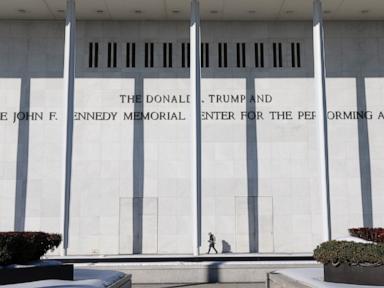
The Department of Justice has filed a notice of appeal challenging a federal judge's ruling that ordered the removal of President Donald Trump's name from the John F. Kennedy Memorial Center for the Performing Arts. The appeal comes less than a day before a court-imposed 14-day deadline for the administration to erase all references to the "Donald J. Trump and John F. Kennedy Memorial Center for the Performing Arts" and "Trump Kennedy Center" from the building, grounds, and its website.
U.S. District Judge Christopher Cooper ruled two weeks ago that the renaming of the iconic Washington D.C. cultural institution was illegal, stating that Congress, which established the center in 1964 as a living memorial to President John F. Kennedy, is the sole entity empowered to change its name. The judge also found the Kennedy Center Board's decision to close the facility for two years of renovations, starting in July, to be ill-informed.
While Trump's name has already been removed from the Kennedy Center's digital platforms, including its website and YouTube page, the signage on the building itself has yet to be altered. In a filing last week, the Trump administration's legal team indicated they were still evaluating their litigation strategy.
The appeal signifies the administration's intent to continue contesting the ruling, despite President Trump's public statements suggesting a loss of interest in the renovation project following the judge's decision. Trump had previously criticized the judge and indicated a desire to cede control of the center's future to Congress.
President Trump had announced in December that the Kennedy Center's Board of Trustees, which he chairs and is composed of his appointees, had unanimously voted to rename the building. Signage bearing his name was subsequently installed. The lawsuit that prompted the judge's order was initiated by Democratic Rep. Joyce Beatty, an ex-officio member of the Kennedy Center's Board of Trustees.
Judge Cooper's ruling emphasized the legal framework established by Congress, which designated the center as a living memorial. The decision to rename the center and the subsequent order for its extensive closure for renovations had drawn significant attention and legal challenges.
This legal battle highlights a clash between executive authority and legislative intent regarding a prominent national cultural landmark. The DOJ's appeal ensures that the question of the center's official designation and the legality of its renaming will continue through the appellate process.
Further developments will depend on the appeals court's review of Judge Cooper's decision and the administration's next steps in either pursuing the appeal or complying with the original court order.
This article was written by AI based on publicly available news reporting. Original reporting by the linked source.