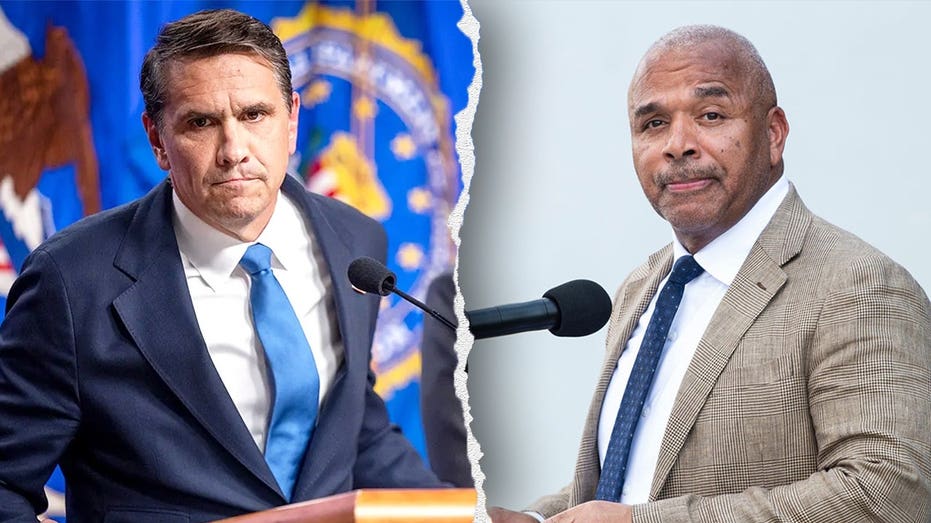
DOJ Expands Indictment, Alleges $4M Secretly Sent to KKK and Extremist Groups
The Department of Justice has expanded its indictment against a non-profit, alleging it secretly funneled $4 million to KKK and other extremist organizations.
The Department of Justice (DOJ) has broadened its legal action against a prominent non-profit organization, alleging that it covertly channeled approximately $4 million to groups identified as the Ku Klux Klan (KKK) and other extremist entities. This expansion of the indictment casts a new light on the organization's financial dealings and its alleged support for hate groups.
The allegations suggest a significant departure from the stated mission of the non-profit, which typically focuses on combating hate and extremism. The DOJ's expanded case now centers on the claim that funds were not used for their declared purposes but were instead diverted to organizations with histories of promoting violence and discrimination.
Details emerging from the expanded indictment indicate that the alleged secret transfers occurred over a period of time, involving complex financial maneuvers designed to obscure the ultimate recipients of the funds. While specific names of the KKK chapters or other extremist groups were not immediately released, the DOJ's assertion points to a deliberate effort to support groups known for their divisive ideologies and harmful activities.
This development raises serious questions about oversight and accountability within non-profit organizations that handle substantial amounts of money. The DOJ's expanded case could have far-reaching implications for how such organizations are regulated and how their financial activities are scrutinized, particularly when allegations of supporting extremist ideologies surface.
Legal experts suggest that the expanded indictment signals a more aggressive stance by the DOJ in prosecuting financial misconduct, especially when it involves the alleged funding of hate groups. The case will likely involve a thorough examination of the non-profit's internal financial controls, donor communications, and the specific transactions that are now under scrutiny.
The non-profit organization has not yet issued a comprehensive public statement responding to the expanded indictment. However, in previous statements regarding investigations, such organizations typically maintain their commitment to their stated mission and deny any intentional wrongdoing, often attributing any financial irregularities to administrative errors or misunderstandings.
This case could set a precedent for future investigations into non-profits suspected of misusing funds or supporting organizations that promote hate speech and violence. The outcome will depend on the strength of the evidence presented by the DOJ and the defense mounted by the accused organization.
Further details are expected to emerge as the legal proceedings advance, potentially revealing more about the specific mechanisms of the alleged fund transfers and the extent of the non-profit's involvement with the targeted extremist groups. The DOJ's continued investigation underscores the complexities of combating both financial impropriety and the spread of extremist ideologies in the digital age.
This article was written by AI based on publicly available news reporting. Original reporting by the linked source.