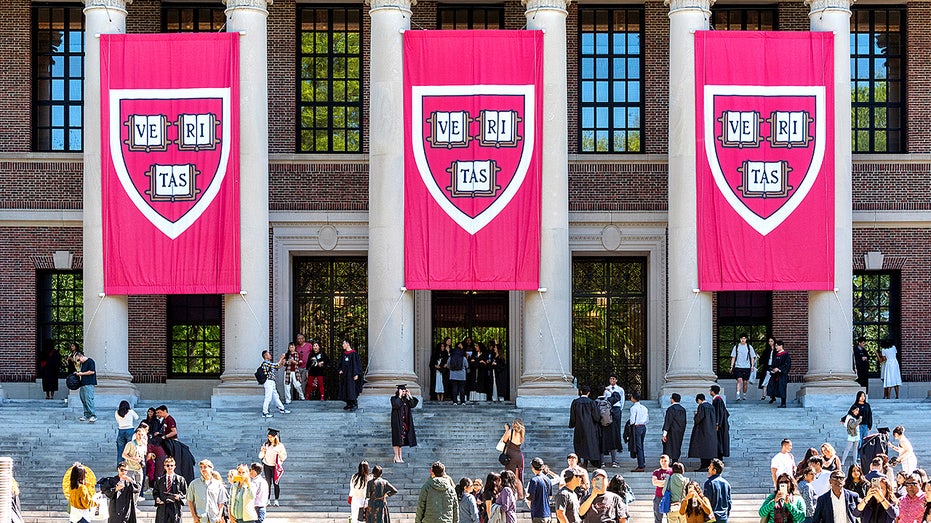
DOJ Probes Harvard Over Financial Aid Practices Linked to Chinese Donors
The U.S. Department of Justice is investigating Harvard University's financial aid programs for potential discrimination against American students.
The U.S. Department of Justice has launched an investigation into Harvard University, scrutinizing its financial aid policies for potential discrimination against American students. The probe reportedly centers on whether the university's practices, potentially influenced by donations from Chinese sources, unfairly disadvantage domestic applicants.
This investigation raises significant questions about the intersection of university admissions, financial aid, and foreign influence. Universities often rely on large donations to fund their operations, including substantial financial aid packages that can make elite education accessible to a broader range of students. However, concerns have been raised about whether such donations could compromise institutional integrity or lead to preferential treatment.
Details surrounding the specific nature of the alleged discrimination and the extent of the alleged influence from Chinese donors remain unclear. Officials familiar with the matter have indicated that the Department of Justice is examining whether Harvard's financial aid decisions have been equitable and in compliance with federal laws designed to prevent discrimination.
The implications of this investigation could be far-reaching, potentially impacting how universities manage foreign donations and administer financial aid. It could also trigger broader scrutiny of similar practices at other institutions and lead to policy changes regarding transparency in university funding and admissions.
While the Department of Justice has not publicly commented on the specifics of the Harvard investigation, such probes typically involve reviewing university policies, financial records, and admissions data. The focus is often on ensuring that all students, regardless of their background or nationality, are evaluated fairly under established criteria.
Harvard University has historically prided itself on its commitment to socioeconomic diversity, utilizing a need-blind admissions policy for domestic applicants and offering generous financial aid packages. This policy aims to ensure that a student's ability to pay does not influence their chances of admission. The current investigation will likely assess whether this commitment has been upheld.
Past reports have highlighted substantial contributions to American universities from foreign entities, including those in China. While these donations are often intended to foster academic exchange and research, they can also attract scrutiny regarding potential quid pro quo arrangements or undue influence on institutional priorities.
This investigation is not the first time Harvard has faced scrutiny regarding its admissions and financial aid processes. The university has previously been involved in legal challenges related to affirmative action policies. The outcome of the current DOJ probe could set a precedent for how universities navigate the complex landscape of international funding and domestic student support.
This article was written by AI based on publicly available news reporting. Original reporting by the linked source.