Donovan: Balogun Red Card Fiasco Tainted USMNT World Cup Run After Trump
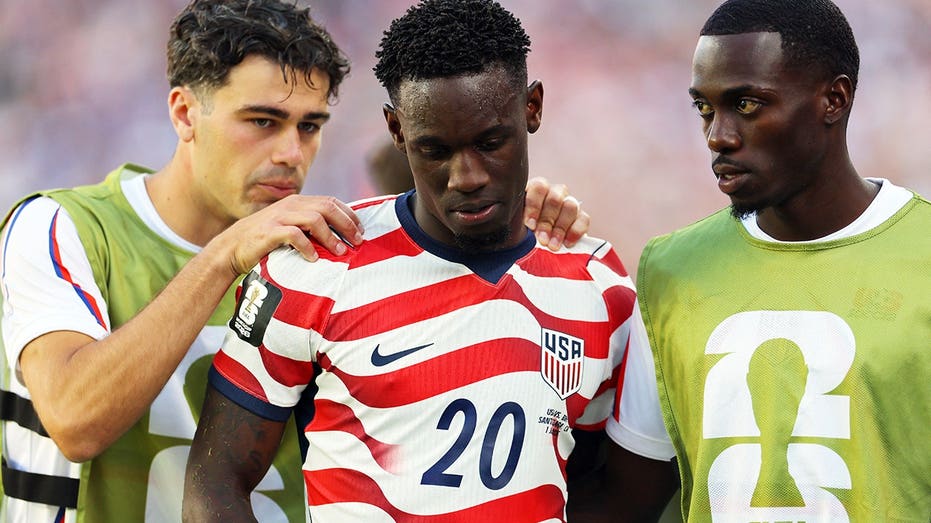
Landon Donovan expressed disappointment that the Folarin Balogun red card controversy overshadowed the USMNT's World Cup performance.
Former U.S. Men's National Team star Landon Donovan believes the controversy surrounding Folarin Balogun's red card incident detracted from the team's overall performance during their World Cup run. Donovan stated he was "disappointed" that the situation escalated to the point it did, particularly after former President Donald Trump commented on the matter.
The incident, which occurred during a crucial match, led to significant media attention and public debate. While the specifics of the red card were debated, the subsequent involvement of a high-profile political figure amplified the narrative beyond the sporting context. This, according to Donovan, was a missed opportunity for the team to receive unqualified support focused solely on their athletic achievements.
Donovan suggested that the focus shifted away from the players and their efforts on the field, becoming a talking point for external political commentary. He indicated that the team's performance was unfairly judged or overshadowed by this off-field distraction. The former player emphasized that such situations can detract from the positive momentum and unity a national team seeks to build during a major tournament.
The implication of Donovan's comments is that the U.S. Soccer Federation and the team itself faced an unnecessary challenge in managing the public perception of the event. The involvement of a figure like Donald Trump injected a level of political polarization into a sporting event that Donovan felt was detrimental to the team's narrative and potential legacy.
Donovan, a veteran of multiple World Cups himself, understands the delicate balance required to navigate the pressures of international competition. He highlighted that while player discipline and on-field decisions are always subject to scrutiny, the politicization of an event can have far-reaching consequences for team morale and public support. The timing of the controversy, especially with a global audience watching, meant that the team's narrative was hijacked.
This perspective suggests a broader concern about how sports figures and events can become entangled in political discourse. Donovan’s remarks point to a desire for sporting achievements to stand on their own merit, free from external political agendas that can distort their significance. He implied that the team deserved to have their World Cup journey remembered for their play, not for a red card incident that became a political football.
While the exact nature of Balogun's transgression and the subsequent reactions are part of the public record, Donovan’s commentary adds a layer of interpretation from a respected former player. His view underscores the challenges faced by national teams in maintaining focus and controlling their public image amidst a complex media and political landscape.
Ultimately, Donovan's sentiment reflects a yearning for sports to remain a unifying force, separate from divisive political commentary. The red card incident, amplified by political involvement, serves as a case study in how off-field factors can significantly impact the perception and legacy of a team's performance on the world stage.
This article was written by AI based on publicly available news reporting. Original reporting by the linked source.