Ebola Outbreak Claims Over 5,000 Lives in Democratic Republic of Congo
The Democratic Republic of Congo's Ebola outbreak has resulted in over 5,000 fatalities, according to official government figures.
More than 5,000 people have succumbed to the Ebola virus in the ongoing outbreak within the Democratic Republic of Congo (DRC), government data revealed. This grim milestone underscores the severity and persistence of the epidemic that has plagued the nation.
The current outbreak, one of the deadliest in history, has posed significant challenges to public health officials and international aid organizations. The vast geographical spread and complex socio-political landscape of the DRC have complicated containment efforts, leading to a prolonged and devastating impact.
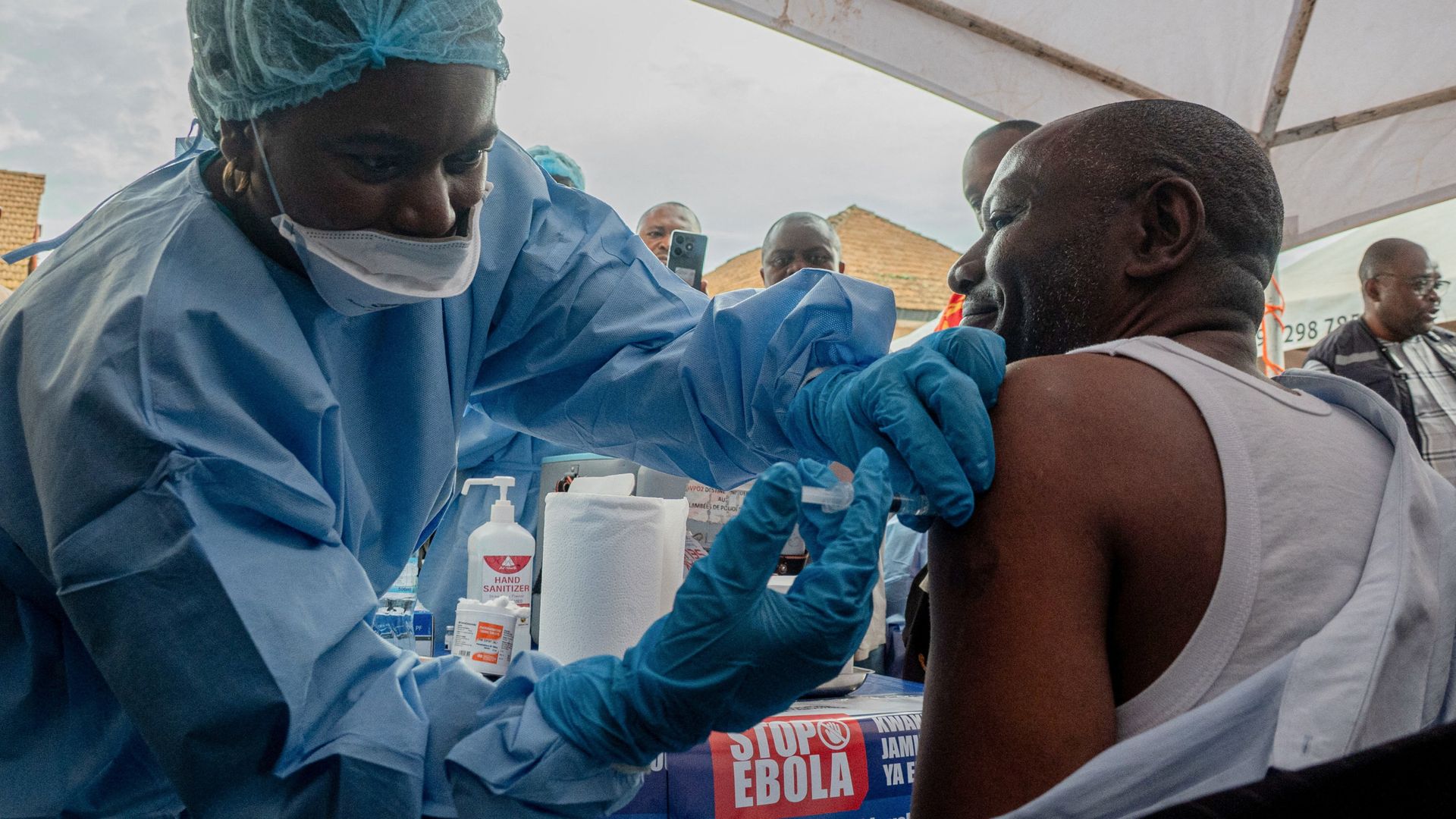
Government figures indicate that the death toll has surpassed the 5,000 mark, reflecting the relentless march of the virus. While specific details on the exact timeline of reaching this threshold were not provided, the cumulative number signifies a critical point in the epidemic's trajectory. The ongoing efforts to combat the virus involve extensive contact tracing, vaccination campaigns, and community engagement.
The implications of this rising death toll extend beyond the immediate health crisis. It places immense strain on the DRC's already fragile healthcare infrastructure and economy. The international community continues to provide support, but sustained and coordinated action is crucial for eventual control and eradication of the virus.
Historically, the DRC has been the epicenter of numerous Ebola outbreaks, with the virus first identified in the country in 1976. The current epidemic, which began in August 2018 in North Kivu province, has been particularly challenging due to its intensity and the difficult-to-reach areas affected. Previous outbreaks, while devastating, were generally contained more rapidly.
Public health experts have consistently highlighted the critical need for robust surveillance systems, rapid response capabilities, and trust-building with local communities to effectively manage such outbreaks. The challenges in the DRC have included security concerns, population displacement, and misinformation, all of which can hinder the effectiveness of public health interventions.
The World Health Organization (WHO) and other global health bodies have been working closely with DRC authorities, deploying medical teams, supplies, and expertise. Their efforts have focused on a multi-faceted approach, including the administration of newly developed vaccines and treatments that have shown promising results in reducing mortality rates.
Despite these interventions, the sheer scale of the outbreak and the persistent spread of the virus mean that vigilance remains paramount. Unresolved questions continue to surround the long-term containment strategies, the potential for resurgence, and the full socio-economic recovery of the affected regions.
This article was written by AI based on publicly available news reporting. Original reporting by the linked source.