Economy, Not Politics, Drives Military Enlistment Surge, Data Shows
The U.S. military's recruitment rebound is driven by economic factors like job stability and benefits, not political confidence, Pentagon data indicates.
The United States military is experiencing a significant increase in new recruits, a trend Pentagon data attributes to economic incentives rather than the political confidence cited by Defense Secretary Pete Hegseth. While Hegseth has framed the enlistment surge as a reflection of belief in civilian and military leadership, interviews and internal data suggest a more pragmatic motivation among young Americans.
For decades, the all-volunteer force, established after the draft ended in 1973, has relied on offering job stability, comprehensive benefits, and educational opportunities. This fundamental bargain appears to remain the primary driver for those choosing to enlist, even as the political rhetoric surrounding military service has intensified.
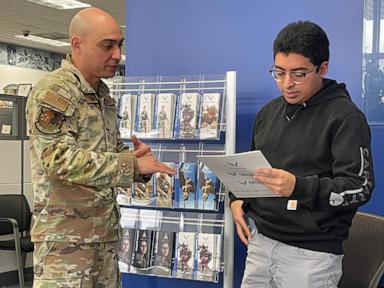
The recruiting success has been notable, with some branches, like the Air Force, completing their annual quotas early. Air Force recruiters are actively engaging with potential enlistees, presenting career paths and offering incentives, a process that has become more effective after years of recruitment shortfalls.
Defense Secretary Pete Hegseth has consistently highlighted recruitment successes as a key achievement of his tenure, linking increased enlistment to a broader cultural narrative. He has stated that "men and women willing to serve and put on the uniform is a reflection of the belief they have in civilian leadership and military leadership." Pentagon spokesperson Sean Parnell echoed this, noting that "Americans everywhere are prouder than ever to serve in our unmatched military."
However, an extensive review of recruitment data and interviews with nearly 40 recruits and prospective recruits, alongside two dozen recruiters and defense officials, reveals that financial compensation, benefits, and career training consistently rank as top reasons for joining. The Pentagon's own data supports this, identifying financial incentives as a primary motivator.
The recruitment turnaround also predates the current administration and has been influenced by policy changes under the Biden administration regarding how recruits are identified and qualified. This suggests that the rebound is a result of evolving recruitment strategies and economic conditions, rather than solely a response to political messaging.
Experts point out that the military has always been an attractive option for young people seeking a direct path to economic stability and skills development, particularly during uncertain economic times. The allure of steady pay, educational benefits like the GI Bill, and vocational training continues to outweigh the increasingly politicized discourse surrounding service.
While the military's renewed recruiting success is undeniable, the underlying reasons appear rooted in the enduring appeal of its core offerings: economic security and personal development. The debate over the political versus economic drivers of enlistment highlights the ongoing tension between the military's operational needs and its public perception.
This article was written by AI based on publicly available news reporting. Original reporting by the linked source.