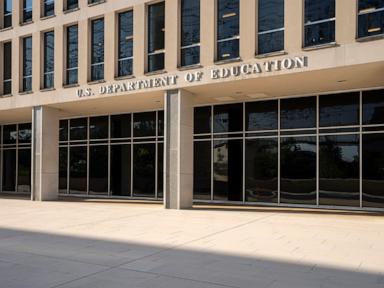
Education Department to Shift Special Ed, Civil Rights Roles to HHS, DOJ
The Education Department plans to transfer special education and civil rights functions to HHS and DOJ, impacting millions of students.
The U.S. Department of Education is preparing to take a significant step toward dismantling itself by transferring key functions related to special education and civil rights oversight to other federal agencies. Sources familiar with the plan indicate that special education services will move to the Department of Health and Human Services (HHS), while civil rights responsibilities will be shifted to the Department of Justice (DOJ).
This move is part of a broader effort by the Trump administration to reduce the scope and influence of the federal Department of Education. The agency, established in 1979, has been a target for those advocating for a smaller federal government and more localized control over educational matters. President Trump himself campaigned on a platform that included closing the department.
The specific offices slated for transfer include the Office of Special Education Programs (OSEP) and the Rehabilitative Services Administration (RSA), which would fall under HHS. The DOJ would assume responsibility for the Education Department's civil rights enforcement functions. These changes are expected to affect millions of students and their families nationwide.
The implications of this restructuring are substantial, particularly for the estimated 7 million individuals who benefit from grants provided through the Individuals with Disabilities Education Act (IDEA). IDEA, the landmark legislation ensuring free and appropriate public education for children with disabilities, is supported by approximately $15 billion in federal grants annually. The transfer of these functions raises questions about continuity of services and the potential impact on advocacy and support for students with disabilities.
Officials familiar with the plan suggest the transfers are intended to streamline government operations and place these functions within departments they deem more directly aligned with their missions. However, critics have voiced concerns that fragmenting these responsibilities could weaken protections for students and families, particularly those with disabilities or who have experienced discrimination.
Historically, the Department of Education has played a crucial role in setting national standards, distributing federal funding, and enforcing civil rights laws in education. Its potential dismantling or significant restructuring marks a departure from decades of federal involvement in educational policy and oversight.
Stakeholder reactions are anticipated to be varied. Advocacy groups for students with disabilities and civil rights organizations are likely to express concern over the potential disruption and the perceived dilution of federal oversight. Conversely, proponents of reduced federal bureaucracy may view the move as a positive step toward greater state and local control.
Further details regarding the timeline for these transfers and the specific mechanisms for ensuring uninterrupted services and enforcement are expected to be released as the Department of Education formally announces its plans. The ultimate impact on students, educators, and the landscape of federal education policy remains a developing story.
This article was written by AI based on publicly available news reporting. Original reporting by the linked source.