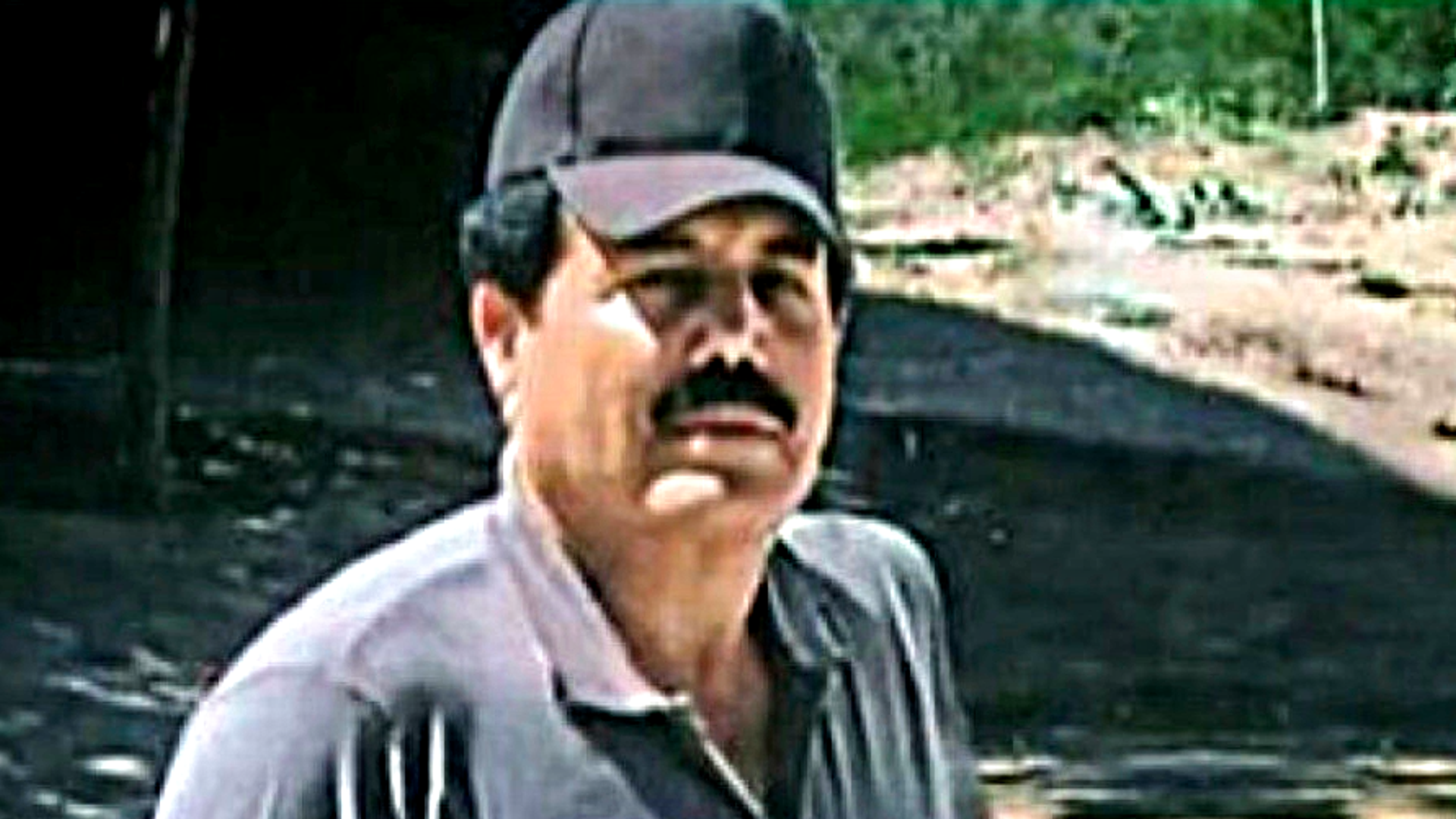
El Mayo Zambada Sentenced to Life for Trafficking Drugs into U.S.
Mexican drug lord Ismael 'El Mayo' Zambada received a life sentence for his role in trafficking narcotics into the United States.
Ismael 'El Mayo' Zambada, a high-ranking leader within the notorious Sinaloa cartel, has been sentenced to life in prison for his extensive involvement in drug trafficking operations that funneled illicit substances into the United States. The sentencing marks a significant development in the long-standing effort to dismantle one of the world's most powerful criminal organizations.
Zambada, often referred to as 'El Mayo,' has been a central figure in the Sinaloa cartel for decades, allegedly overseeing vast international drug smuggling networks. His alleged leadership role has been implicated in the movement of significant quantities of cocaine, heroin, methamphetamine, and marijuana into the U.S. The cartel itself has been a dominant force in the global drug trade, known for its sophisticated distribution and violent enforcement tactics.
While specific details of the sentencing proceedings and the exact charges leading to the life sentence were not immediately available in the source material, Zambada's conviction underscores the U.S. government's commitment to prosecuting high-level drug trafficking figures. His capture and subsequent sentencing are viewed as a major blow to the cartel's operational capacity and leadership structure.
The implications of this sentence extend beyond the immediate incapacitation of a key cartel leader. It signals a continued focus on dismantling transnational criminal organizations that pose a significant threat to public health and safety in the United States. The U.S. has long sought to disrupt the flow of drugs and the financial networks supporting these cartels.
'El Mayo' Zambada's alleged rise to prominence within the Sinaloa cartel occurred during a period of intense violence and shifting power dynamics within Mexico's drug trade. He is believed to have played a crucial role in the cartel's expansion and its ability to adapt to law enforcement pressures. His longevity in a dangerous criminal enterprise has been attributed to a combination of strategic alliances, alleged corruption, and a reputation for ruthlessness.
Past investigations and indictments have painted Zambada as a key architect of the Sinaloa cartel's global reach, responsible for coordinating complex logistical operations that moved tons of narcotics across borders. The cartel has been linked to numerous acts of violence, including kidnappings, torture, and murder, both within Mexico and in connection with its U.S. operations.
The sentencing of Zambada is expected to create a void within the Sinaloa cartel, potentially leading to internal power struggles or a restructuring of its leadership. Law enforcement agencies will likely monitor these developments closely to assess the impact on drug trafficking routes and cartel activities.
Questions remain regarding the full extent of Zambada's network and the individuals who may step in to fill the leadership vacuum he leaves. The ongoing battle against the Sinaloa cartel and other major drug trafficking organizations remains a complex and multifaceted challenge for international law enforcement.
This article was written by AI based on publicly available news reporting. Original reporting by the linked source.