El Niño Threatens 50 Million with Acute Hunger by Year-End
El Niño's rapid development could push 50 million more people into acute hunger, adding to existing global food insecurity.
The powerful El Niño weather system is projected to drive an additional 50 million people into acute hunger by the end of next year, the UN's World Food Programme (WFP) warned Wednesday. This forecast exacerbates the already precarious situation for hundreds of millions facing severe food insecurity due to prolonged droughts and global economic pressures, including the conflict in Iran.
The potential impact of this El Niño is significant, even if its strength proves less severe than some models suggest. The WFP estimates it could increase the number of people in acute food insecurity by over a fifth, adding to the current 225 million individuals across 45 countries already experiencing dangerous hunger levels.
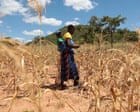
Central and South America, the Caribbean, and southern Africa are identified as the regions likely to bear the brunt of the crisis. In South and Southeast Asia, reduced rainfall is anticipated, posing serious challenges for agricultural sectors and farmers. This comes as India's monsoon rains face potential disruption, with UN chief António Guterres warning the planet is "on fire."
This year's El Niño, a recurring climate phenomenon originating in the Pacific Ocean that alters global weather patterns, is shaping up to be one of the strongest in at least seven decades. While not an official term, some experts are referring to it as a "super El Niño" due to its potential intensity.
Crucially, the strength and impacts of this El Niño are being amplified by the climate crisis. Earlier in the year, scientists predicted that a robust El Niño, combined with global heating, could lead to the hottest year on record, possibly in 2027. While private forecasters have flagged the potential impact on global food prices, the WFP report is the first to specifically quantify the projected increase in global hunger.
Experts highlighted that the most severe food security consequences in southern Africa are expected to manifest during the lean season of 2027 to 2028. This extended period of impact underscores the long-term challenges facing vulnerable populations.
The WFP is reportedly working to mitigate these projected increases in hunger. However, the scale of the anticipated crisis suggests a significant strain on humanitarian resources and international aid efforts.
This looming food security crisis underscores the interconnectedness of climate events, environmental degradation, and human well-being, with the El Niño phenomenon serving as a stark reminder of the global challenges posed by a changing climate.
This article was written by AI based on publicly available news reporting. Original reporting by the linked source.