England's Rivers and Lakes Fail Environmental Review; Only 15% Rivers Good
A new report reveals a majority of England's rivers and lakes are failing environmental standards, with no waterway chemically clean.
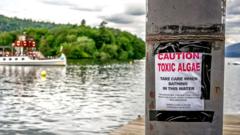
England's rivers, lakes, and coastal waters remain in a critical state, with only about one in seven classified as being in good ecological condition, according to the first comprehensive health assessment in six years. Data released by the Environment Agency shows that while just 15% of rivers met the 'good' ecological standard, fewer than 7% of lakes achieved this benchmark. Alarmingly, not a single river passed a separate assessment for chemical pollution.
The primary pollutant identified is phosphate, a nutrient originating from sewage and agricultural runoff. Approximately half of England's rivers are still exceeding safe levels for this substance. This situation persists despite a significant £22 billion allocated for water company environmental improvements by 2030, with the overall environmental health showing little improvement since 2019.
The government is projected to miss its legally mandated target of restoring 77% of England's waters to good ecological status by 2027. The Office for Environmental Protection, the nation's environmental watchdog, has warned of a considerable shortfall and is currently investigating potential rule breaches by both the government and the Environment Agency.
Environment Secretary Angela Eagle acknowledged the concerning figures, stating they underscore the necessity for fundamental changes within the water sector. She highlighted recent legislation designed to hold water companies accountable and emphasized the record levels of investment being directed towards these improvements. Eagle pledged to foster a system that prioritizes the public interest.
While much public and political attention has focused on water companies and their sewage discharges, environmental advocates and scientists also identify agriculture as a significant, though less scrutinized, contributor to water pollution. Intensive farming operations, such as large-scale poultry units, are cited as a growing threat to rivers like the Wye and Severn.
Campaigners point to the nutrient-rich waste from these farms, which can enter rivers and cause eutrophication, severely damaging the aquatic ecosystem. They are urging the government to address agricultural pollution with the same urgency as sewage issues. The National Farmers' Union of England and Wales has been contacted for comment.
Beyond phosphates, the Environment Agency noted other pollutants impacting England's water bodies, including petrol, garden pesticides, and microplastics washed from roads. These diverse sources collectively contribute to the degradation of water quality across the country.
Officials from the Environment Agency clarified that direct comparisons with 2019 data are challenging due to updated assessment methods, particularly for lakes. The significant drop in the number of lakes classified as 'good' is attributed more to these methodological changes than a genuine decline in their condition. The agency's chair, Alan Lovell, conceded that too many water bodies are not meeting desired standards but affirmed the agency's commitment to enhancing its enforcement capabilities with its largest-ever workforce.
This article was written by AI based on publicly available news reporting. Original reporting by the linked source.