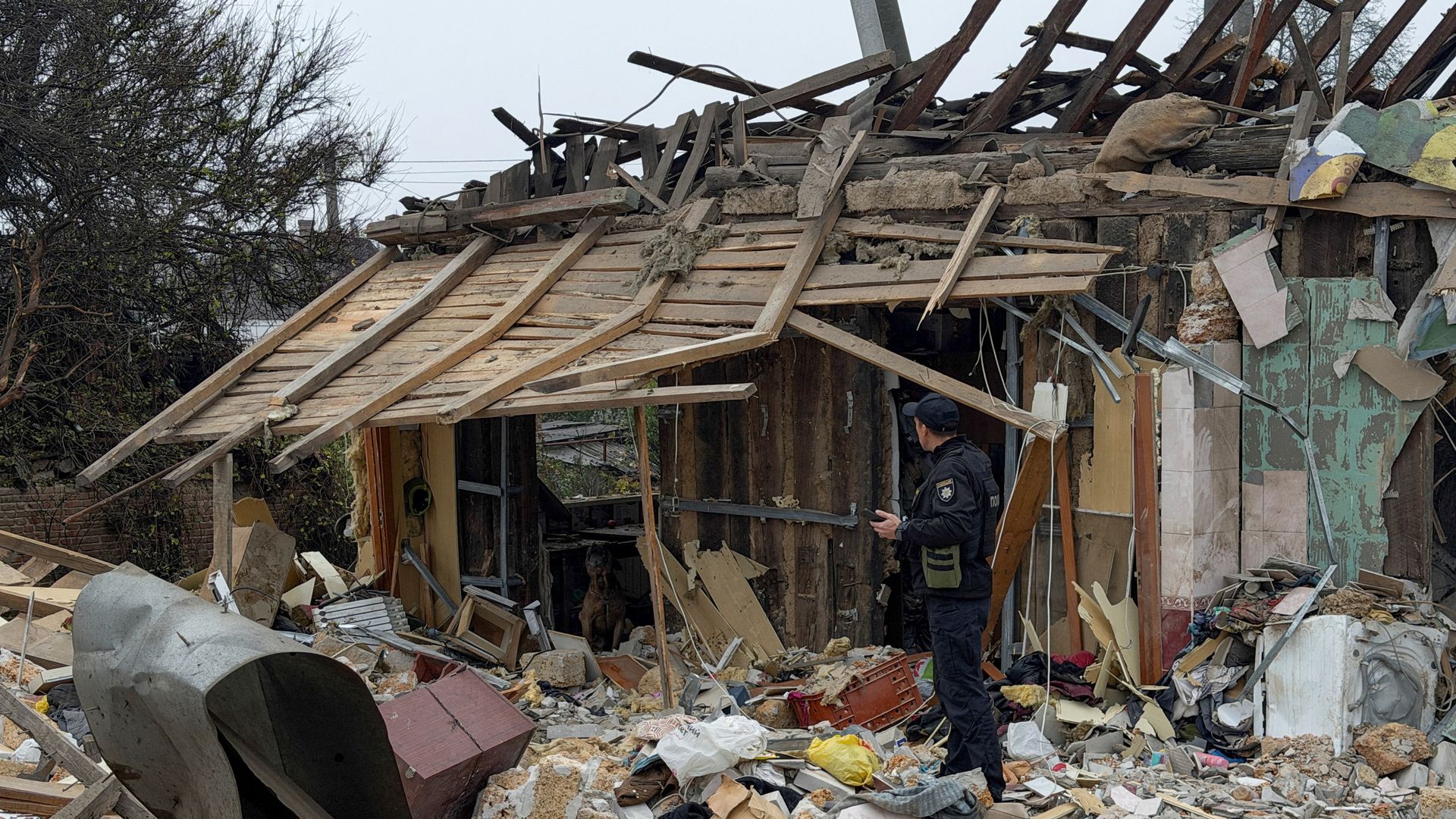
EU Leaders Appoint UK Representatives to Ukraine Peace Talks Team
European Union leaders have finally selected a team for Ukraine peace talks, including British representatives, after months of deliberation.
After a prolonged period of internal discussion and wavering, European Union leaders have successfully appointed a unified team tasked with representing the bloc in potential peace talks with Ukraine. The inclusion of British representatives marks a significant development, signaling a more consolidated European front on the issue.
The decision comes after months of internal debate among EU member states regarding the composition and mandate of the delegation. The need for a cohesive European voice in such sensitive negotiations has been a recurring point of discussion, with various nations advocating for different approaches and levels of involvement.
While specific details regarding the exact number of British delegates or their precise roles within the team have not been fully disclosed, their participation underscores a broader commitment to European security and stability. This move is seen by many as an attempt to leverage collective diplomatic strength in addressing the ongoing conflict.
The establishment of this unified team is expected to streamline communication and coordination efforts between the EU and Ukraine. It also sets the stage for more structured diplomatic engagements, potentially paving the way for substantive peace negotiations.
Sources close to the negotiations indicated that the final decision was reached during a closed-door session of EU foreign ministers. The process involved extensive consultations to ensure that the appointed individuals possess the necessary expertise and diplomatic acumen to navigate complex peace discussions. The UK's involvement, though not an EU member, reflects a shared strategic interest in resolving the conflict and restoring peace in Eastern Europe.
Several European capitals have welcomed the development, emphasizing that a united European stance is crucial for achieving a lasting resolution. The ongoing conflict has had far-reaching economic and geopolitical consequences, making diplomatic solutions a priority for the continent.
However, questions remain regarding the specific objectives and the timeline for initiating formal peace talks. The effectiveness of the newly formed team will largely depend on the willingness of all parties involved to engage in good-faith negotiations and the extent to which the EU and its partners can present a unified front.
The appointment of this delegation is a critical step, but it is the subsequent diplomatic actions and the response from all involved parties that will ultimately determine the path toward peace.
This article was written by AI based on publicly available news reporting. Original reporting by the linked source.