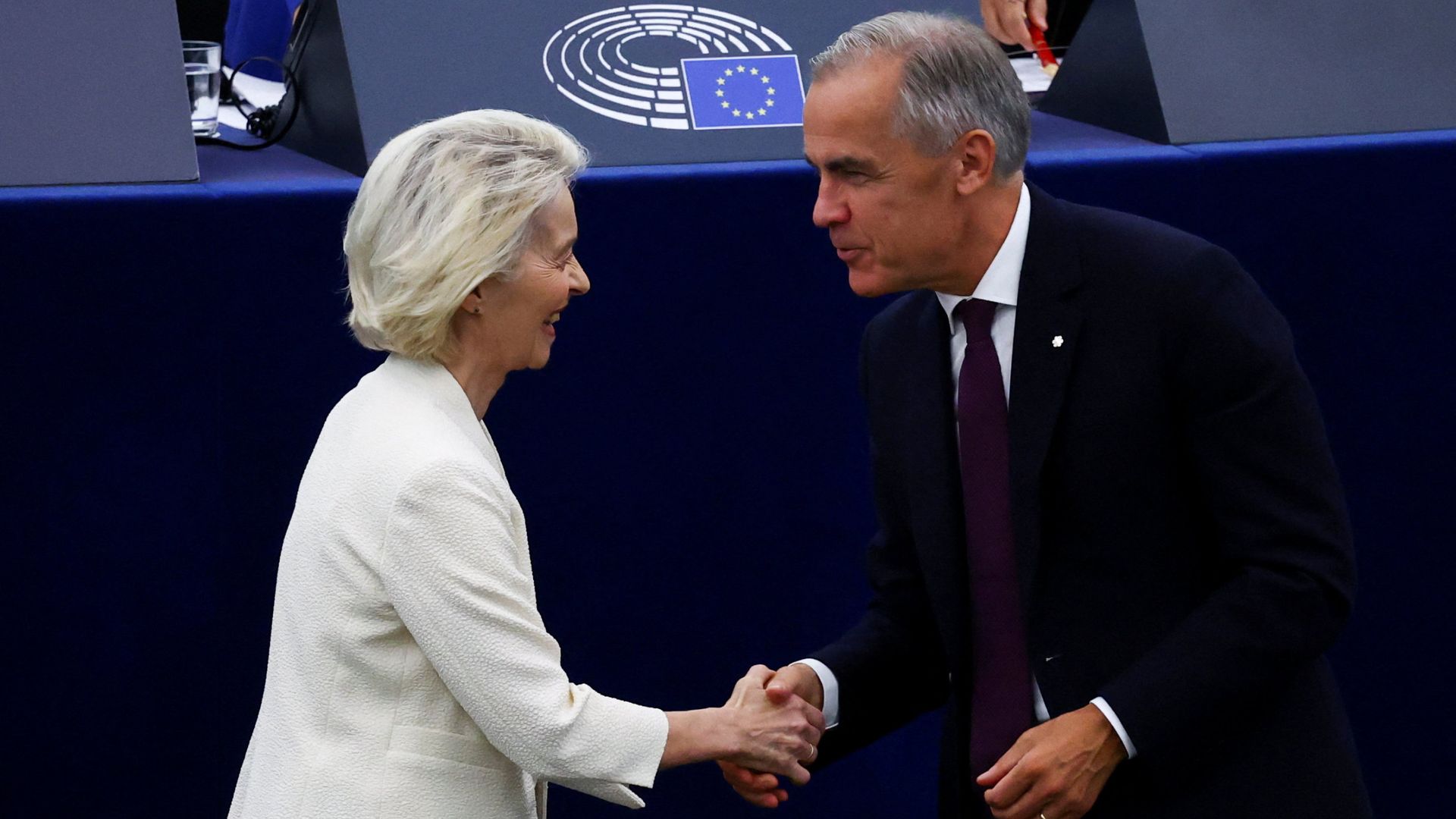
EU Offers Canada 'Associate Membership' Amid Trump Trade War
The European Union has proposed Canada become its first 'associate member' to strengthen ties amid escalating trade disputes with the United States.
The European Union has extended an unprecedented offer to Canada, proposing it become the bloc's first "associate member." This significant diplomatic overture comes as Canada finds itself increasingly embroiled in trade disputes with the United States under President Donald Trump.
The proposal aims to forge deeper economic and political ties between the EU and Canada, seeking to create a more stable trading relationship outside the volatile environment of ongoing trade conflicts. The move is seen as a strategic response to the protectionist trade policies enacted by the Trump administration, which have impacted numerous global economies.
While specific details of the "associate member" status remain to be fully defined, sources indicate it would likely involve enhanced trade agreements, closer regulatory alignment, and potentially greater cooperation on international policy matters. This could offer Canadian businesses preferential access to the vast EU single market.
This initiative could signal a significant shift in global trade alliances, potentially creating a new bloc of nations seeking to counter protectionist measures. The EU's move underscores a growing desire among some nations to build robust partnerships independent of current U.S. trade policy.
The offer to Canada arrives at a critical juncture for international trade relations. The escalating trade war initiated by the Trump administration has seen tariffs imposed on goods from various countries, including key U.S. allies. Canada, in particular, has been a direct target of these measures, leading to retaliatory actions and significant economic uncertainty.
European officials, speaking on condition of anonymity, suggested that the "associate member" concept is designed to provide a framework for a more integrated economic partnership. It is intended to offer benefits akin to full membership without requiring the full commitments, such as adopting the Euro or full participation in all EU political institutions, that come with being a full member state.
Canada's response to the offer has not yet been formally announced, but the proposal is expected to be met with considerable interest given the current trade climate. Such a partnership could offer Canadian industries a crucial buffer against the unpredictability of international trade negotiations with the United States.
The long-term implications of this potential alliance are substantial. It could reshape trade flows, encourage other nations to seek similar partnerships, and potentially lead to a more fragmented global economic landscape. The development warrants close observation as it unfolds, with potential ramifications for global economic stability and diplomatic relations.
This article was written by AI based on publicly available news reporting. Original reporting by the linked source.