Europe Sees First Total Solar Eclipse in 29 Years Next Month
Europe will witness its first total solar eclipse in 29 years next month, turning day into night for select regions.
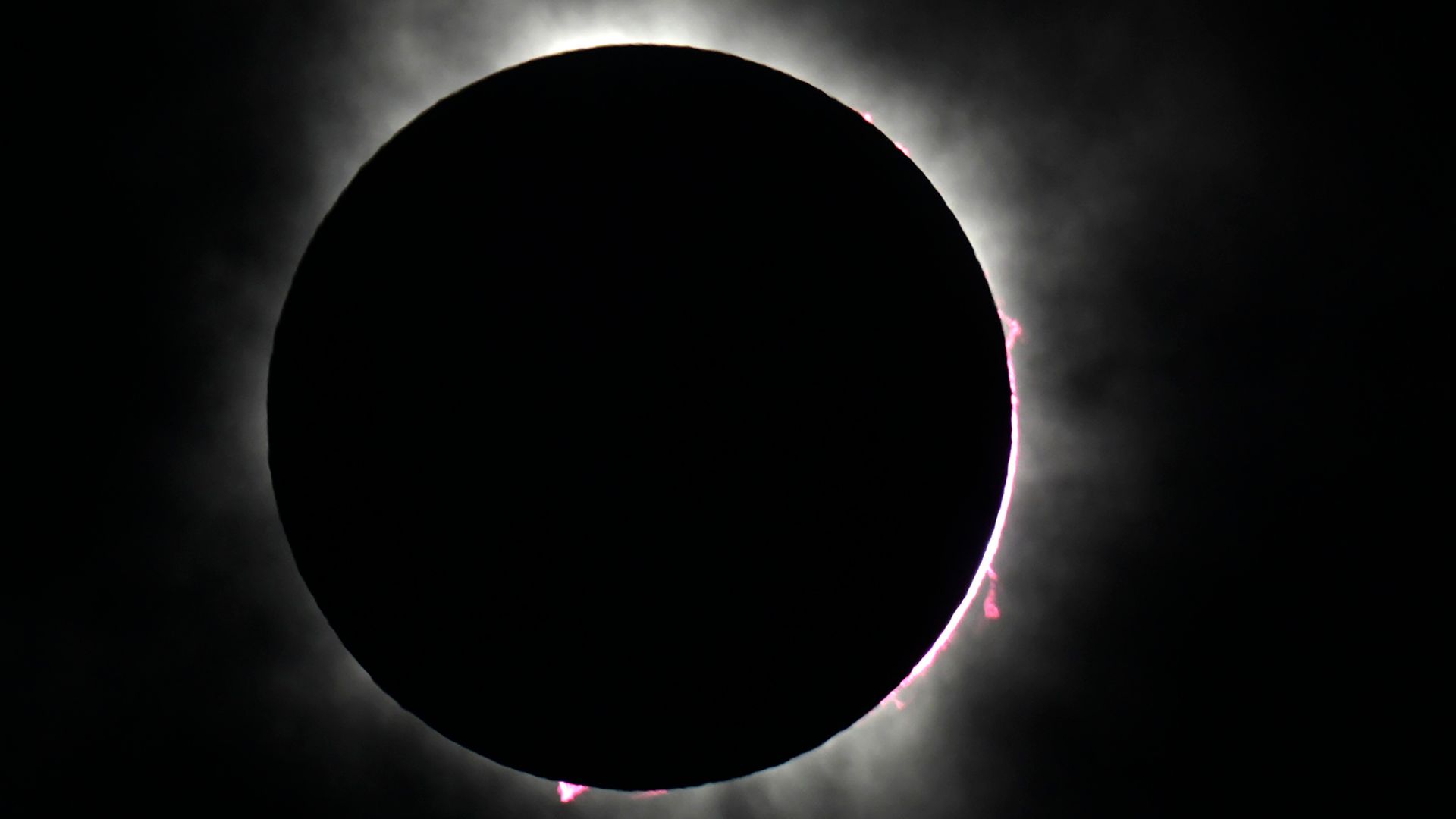
Europe is set to experience a rare celestial event next month as the continent braces for its first total solar eclipse in almost three decades. The phenomenon, which will briefly plunge parts of Europe into darkness, is drawing significant attention from astronomers and the public alike.
This upcoming eclipse marks a significant astronomical occurrence for the continent, with the last total solar eclipse visible from Europe having taken place in 1999. Such events offer unique opportunities for scientific observation and public engagement with space science.
While the exact path of totality and visibility will vary, the eclipse is expected to be a notable event for those within its trajectory. Scientific communities are preparing for the event, anticipating valuable data collection and public outreach opportunities. The rarity of a total solar eclipse over Europe underscores its importance for astronomical study.
The implications of this event extend beyond mere scientific observation. It provides a chance for educational initiatives and inspires public interest in astronomy and space exploration. Many are preparing to witness this natural spectacle, highlighting its cultural and educational significance.
Astronomers have long studied solar eclipses for insights into the sun's corona, its outer atmosphere, which is typically obscured by the sun's brightness. During a total eclipse, the corona becomes visible, allowing for detailed study of solar activity, magnetic fields, and phenomena that influence space weather on Earth.
Public anticipation is high, with many regions expected to experience significant viewing events. Organizations are likely to host viewing parties and educational sessions, aiming to maximize the experience for the public and share the scientific importance of the eclipse. Safety guidelines for viewing the sun directly will also be a key focus.
Historically, solar eclipses have captivated human imagination for millennia, influencing cultures, mythologies, and scientific understanding. The scientific study of eclipses, particularly in the modern era, has contributed significantly to our knowledge of celestial mechanics and solar physics.
As the date approaches, further details regarding the precise timing and optimal viewing locations across Europe are expected to be released. The event serves as a powerful reminder of the dynamic and awe-inspiring nature of the cosmos, visible even from our own planet.
This article was written by AI based on publicly available news reporting. Original reporting by the linked source.