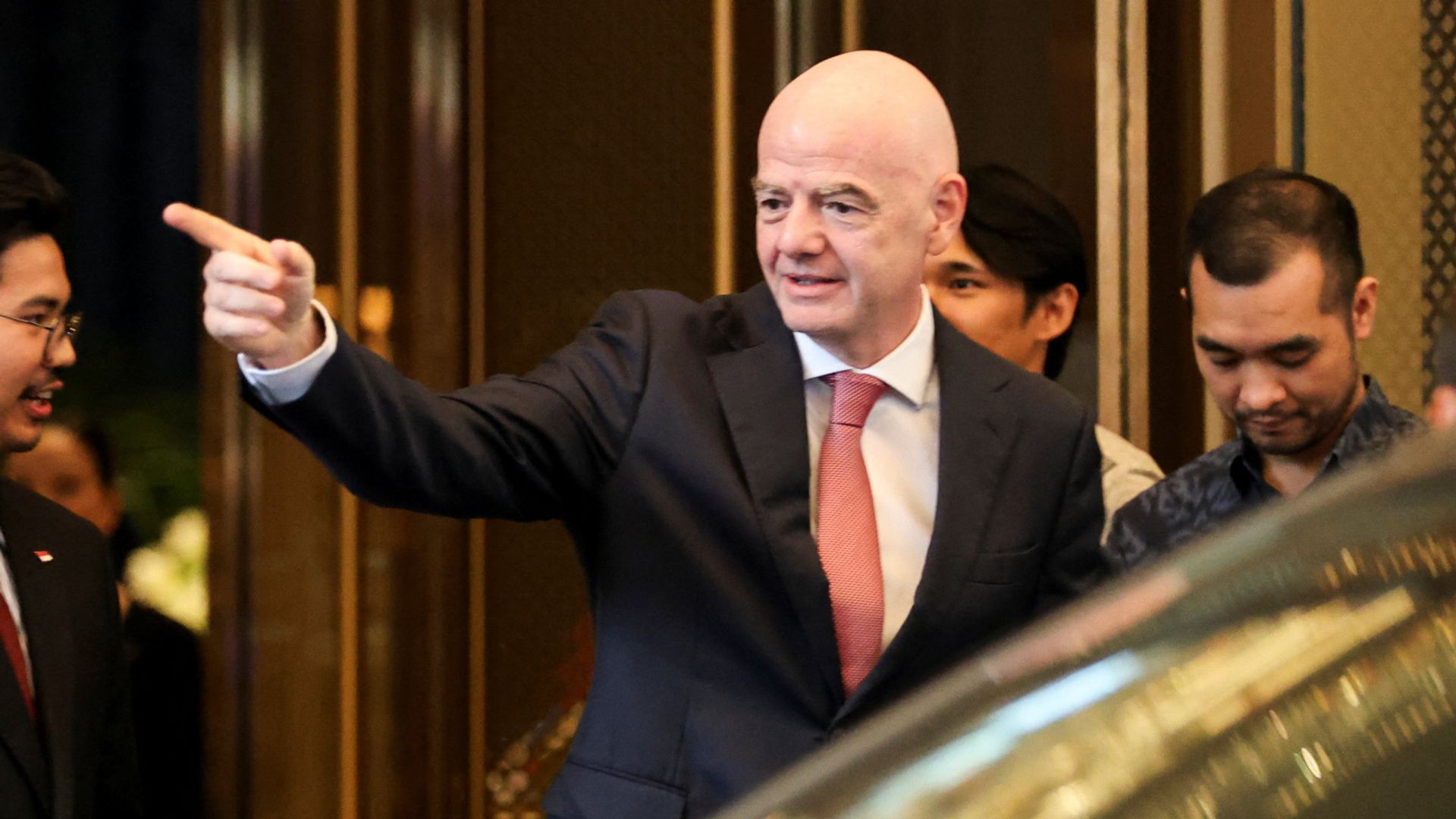
European Nations Withdraw FIFA Boycott Threat, Pursue New Protests
European nations will not boycott FIFA competitions but are planning alternative protests against Gianni Infantino's leadership.
European nations are poised to retract their threat of boycotting FIFA competitions, signaling a shift in strategy amid ongoing concerns over Gianni Infantino's leadership. The decision comes after considerable deliberation among football federations across the continent.
This move indicates a strategic recalibration by European football bodies, which had previously considered extreme measures to voice their discontent. The potential boycott represented a significant challenge to FIFA's authority and the global football calendar, highlighting the depth of dissatisfaction within some of its member associations.
While the boycott is off the table, discussions are actively underway to explore alternative forms of protest. These new strategies aim to exert pressure on FIFA and its president, Gianni Infantino, without disrupting major international tournaments. Details on the specific nature of these alternative protests have not yet been publicly disclosed.
The implications of this development are significant for the future governance of international football. By stepping back from a boycott, European nations appear to be opting for a more nuanced approach, potentially seeking to influence FIFA from within or through sustained public and political pressure.
The leadership of Gianni Infantino has faced increasing scrutiny in recent years. Critics have raised concerns about various aspects of his administration, including the expansion of the World Cup and FIFA's overall direction. The initial threat of a boycott was a clear signal of the seriousness of these concerns.
Several European football associations have been at the forefront of these discussions. Their coordinated stance, even if now shifting away from a boycott, reflects a united front on key issues affecting the sport. The focus remains on achieving greater transparency and accountability within FIFA's decision-making processes.
This situation is not unprecedented in the history of international sports governance. Governing bodies often face internal dissent and challenges to their authority. How FIFA and its member associations navigate these tensions will be crucial for maintaining the integrity and public trust in the sport.
As European nations prepare to unveil their revised protest plans, the global football community will be watching closely. The effectiveness of these new strategies in addressing the underlying concerns will ultimately determine the future landscape of international football governance.
This article was written by AI based on publicly available news reporting. Original reporting by the linked source.