Europol: Criminal gangs recruit children at 'industrial scale' for violence
Europol warns that criminal gangs are recruiting children online at an 'industrial scale' for violent acts, a trend spreading rapidly across Europe and into the U.S.
European law enforcement is confronting a disturbing trend where criminal gangs are recruiting children at an "industrial scale" to carry out violent acts, a phenomenon described as "violence as a service." The recruitment, often occurring online through gaming sites and messaging apps, targets youngsters as young as 13, turning them into both perpetrators and victims of crime.
This alarming trend, which Europol has been investigating, leverages the digital environment where criminal networks can operate across borders with ease. "Now, with the usage of artificial intelligence, with the new technology, and with the fact that so many youngsters are on digital platforms, it's heaven for criminal networks," stated Catherine De Bolle, former executive director of Europol. This widespread recruitment is a modern adaptation of traditional criminal recruitment methods, amplified by the reach and anonymity of the internet.
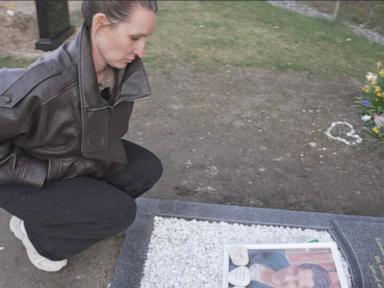
One tragic case highlighting this trend is the death of 16-year-old Rio in Stockholm, Sweden. Rio was killed in March 2025 by a teenage gunman who, according to Swedish investigators, was a recruited "contract killer." His mother, Anneli Berg, described the shooter as another young boy enlisted to commit the act, underscoring the devastating human cost of this "violence as a service" model.
Law enforcement officials believe this problem is not confined to Europe. Experts in the United States are aware of the trend and its potential to cross the Atlantic. "Criminal gangs across the board have fully embraced the power of the internet" to facilitate their operations, noted John Cohen, former head of intelligence for the Department of Homeland Security and an expert on online radicalization and crime.
The ease with which criminal organizations can find and groom vulnerable youths online is a significant concern. These networks exploit digital platforms to find children and then manipulate them into participating in criminal activities, often with severe consequences. The recruitment process can be seen as a "cheap build-your-own contract killer scheme," as described by De Bolle.
In response to the escalating problem, Europol established a dedicated working group last year known as the Grimm Task Force. This initiative aims to combat the rise of "violence as a service" and the exploitation of minors by criminal networks operating in the digital space.
The digital landscape, characterized by its borderless nature and the pervasive presence of young people on various platforms, provides fertile ground for criminal networks. The accessibility of technology and the anonymity it offers have created an environment where these illicit operations can flourish and spread rapidly.
Officials are grappling with the implications of this technologically driven criminal activity. The challenge lies in identifying and disrupting these networks, which operate with increasing sophistication and exploit the vulnerabilities of young individuals who may not fully comprehend the gravity of the situations they are drawn into.
This article was written by AI based on publicly available news reporting. Original reporting by the linked source.