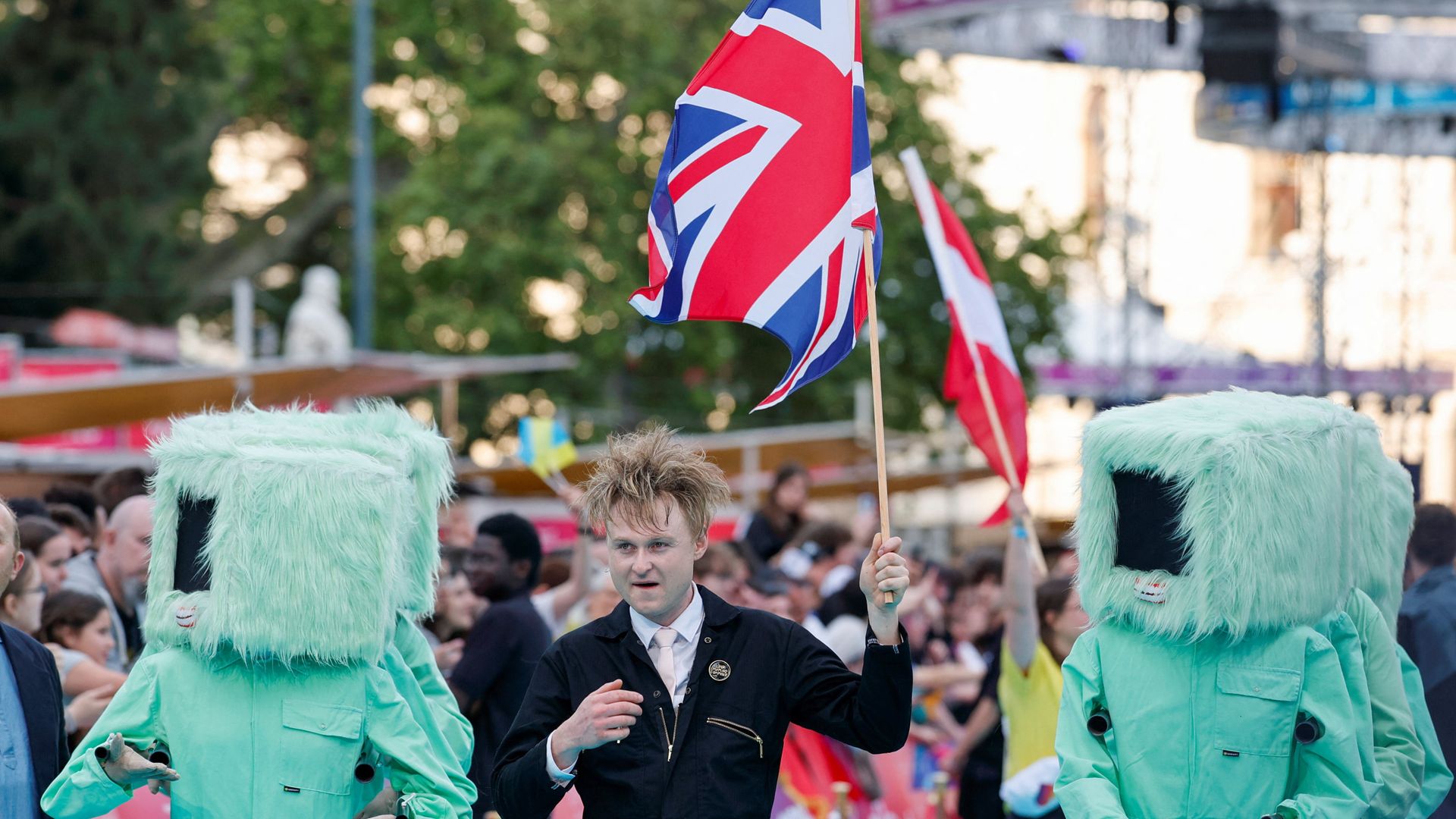
Eurovision: UK bets on 'leftfield' entry to break 29-year song contest drought
The UK has selected a highly unconventional entry for Eurovision, aiming to end a nearly three-decade-long winless streak at the competition.
The United Kingdom has put forward one of its most unusual and "leftfield" entries in recent memory for the Eurovision Song Contest, signaling a bold strategy to finally end a 29-year wait for victory.
This year's chosen act represents a departure from the more traditional pop-oriented entries the UK has often favored, suggesting a willingness to embrace the eclectic and experimental nature of the competition. Eurovision is renowned for its diverse musical styles and elaborate performances, and the UK's selection appears to align with this spirit.
While the specific details of the "leftfield" entry remain somewhat under wraps, the choice signifies a significant gamble by the British delegation. The goal is to capture the imagination of European voters and jury members, a feat that has eluded the UK since its last win in 1997. The country has, in recent years, struggled to achieve a high placing in the contest.
This unconventional approach could prove to be a masterstroke, potentially resonating with a broad audience and distinguishing the UK's performance amidst a field of diverse acts. Alternatively, it carries the risk of alienating voters unfamiliar with such experimental music. The success of this strategy will become clear when the Eurovision Song Contest unfolds, with the ultimate aim of bringing the coveted trophy back to the UK after a prolonged drought.
This article was written by AI based on publicly available news reporting. Original reporting by the linked source.