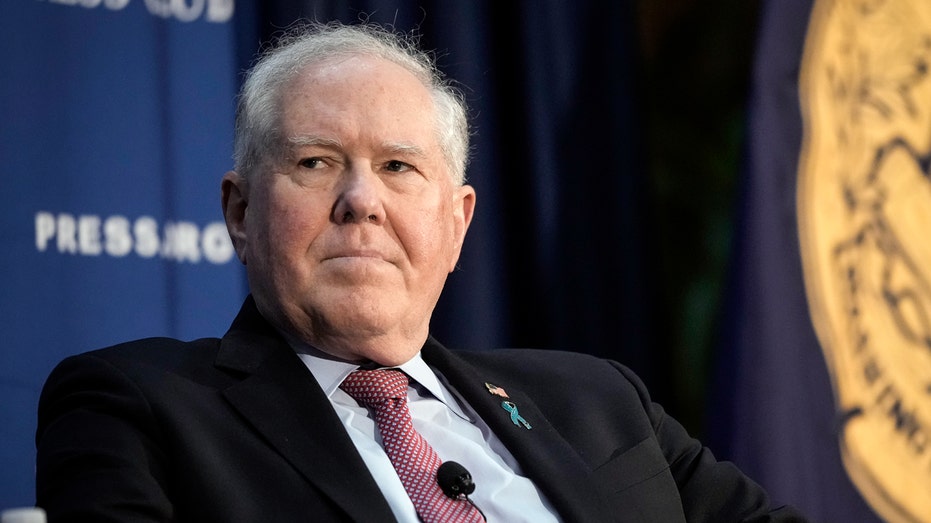
Ex-Air Force Secretary Kendall Loses Clearance Over Air Force One Disclosure
Former Air Force Secretary Frank Kendall had his security clearance revoked following a disclosure related to Air Force One, impacting his access to classified information.
Former Air Force Secretary Frank Kendall has had his security clearance revoked, a decision stemming from a disclosure he made concerning Air Force One. The action, confirmed recently, means Kendall can no longer access classified government information, a significant consequence for someone who previously held one of the nation's highest defense posts.
The revocation is directly tied to information Kendall revealed about the presidential aircraft. While details of the specific disclosure remain closely guarded, the incident has raised questions about the handling of sensitive national security information and the protocols surrounding high-level clearances.
Kendall, who served as the 25th Secretary of the Air Force from 2016 to 2020, is a seasoned defense official with extensive experience in military technology and policy. The revocation of his security clearance is a notable development, particularly given his past role and the critical nature of the information he would have had access to.
This incident highlights the stringent requirements and consequences associated with maintaining security clearances for individuals in sensitive government positions. The process for revoking such clearances is typically rigorous and involves investigations into potential breaches or unauthorized disclosures of classified material.
The implications of the revocation for Kendall are significant, potentially limiting his future involvement in defense-related matters that require access to classified intelligence. It also underscores the importance of adhering to strict protocols regarding the protection of sensitive government information, even after leaving public office.
While the exact nature of the disclosure and the specific classified information involved have not been made public, sources familiar with the matter indicated that the incident did not involve any malicious intent. However, the policy regarding the handling of classified information is absolute, and any unauthorized disclosure, regardless of intent, can lead to severe repercussions.
This event could prompt a review of existing protocols for former high-ranking officials who retain access to sensitive information. The focus remains on ensuring the integrity of national security information and maintaining public trust in the government's ability to protect its most vital secrets.
Further details regarding the specific circumstances leading to the revocation are expected to emerge as the situation develops. The incident serves as a stark reminder of the enduring responsibilities that come with handling classified information within the U.S. government.
This article was written by AI based on publicly available news reporting. Original reporting by the linked source.