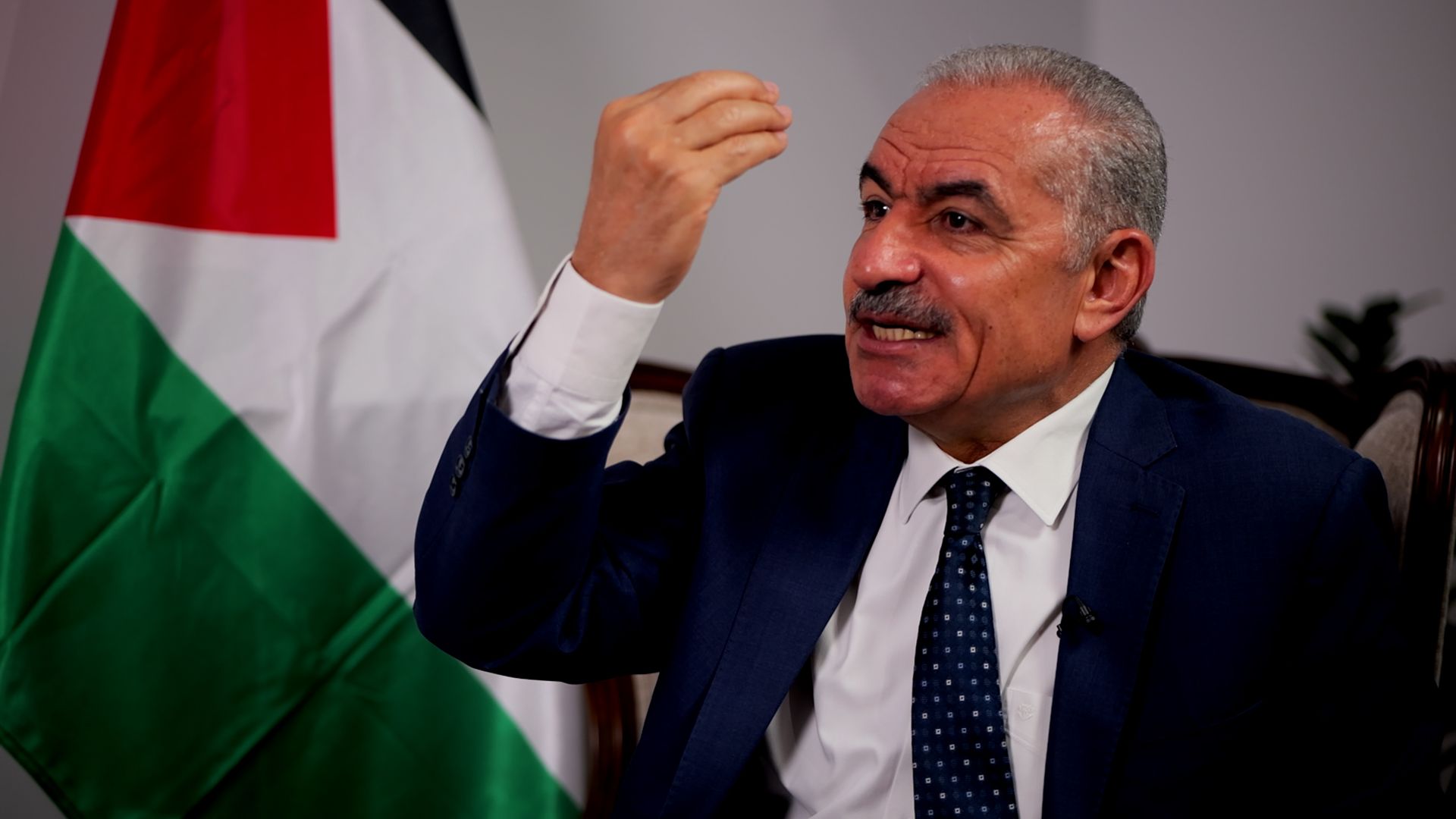
Former Palestinian PM Shtayyeh Details West Bank Challenges, Calls for Reform
Ex-Prime Minister Mohammad Shtayyeh outlines five key issues facing the West Bank, urging significant political and economic reform.
Former Palestinian Prime Minister Mohammad Shtayyeh has articulated five critical challenges confronting the West Bank, offering insights into the region's complex political and economic landscape. Speaking in an hour-long discussion, Shtayyeh, recognized as an influential voice in the West Bank, detailed concerns ranging from governance to international relations, underscoring the need for substantial reforms.
Shtayyeh's tenure as Prime Minister concluded recently, and his current statements carry weight due to his extensive experience and prominent position within Palestinian leadership. His analysis provides a crucial perspective on the internal dynamics and external pressures affecting the Palestinian Authority and the broader Palestinian populace.
The former Prime Minister highlighted issues including the need to revitalize the Palestinian political system, address economic stagnation, and navigate the complexities of the ongoing conflict. He also pointed to the importance of strengthening Palestinian institutions and enhancing their legitimacy both domestically and internationally. Specific details of his five claims were not fully elaborated but were presented as interconnected issues requiring urgent attention.
These claims hold significant implications for the future of Palestinian self-governance and the prospects for peace. Shtayyeh's call for reform suggests a recognition within leadership circles of the need for internal change to overcome persistent obstacles and to better represent the aspirations of the Palestinian people.
Shtayyeh's perspective comes at a time of heightened regional tension and internal Palestinian political discourse. His detailed concerns are expected to fuel discussions among Palestinian factions and influence international perceptions of the West Bank's governance and development.
His emphasis on reform points towards a potential recalibration of Palestinian political strategy, moving beyond incremental adjustments to a more fundamental rethinking of governance structures and economic policies. This could involve efforts to improve transparency, accountability, and the rule of law within the Palestinian Authority.
Furthermore, Shtayyeh's insights into the economic challenges are crucial, as economic stability is often seen as a prerequisite for political progress. His views may shed light on specific barriers to investment, job creation, and sustainable development in the West Bank.
The former Prime Minister's public statements serve as a call to action for both Palestinian leadership and the international community, urging a more concerted effort to address the multifaceted issues he has raised. The effectiveness of any proposed reforms and their impact on the ground remain key questions moving forward.
This article was written by AI based on publicly available news reporting. Original reporting by the linked source.