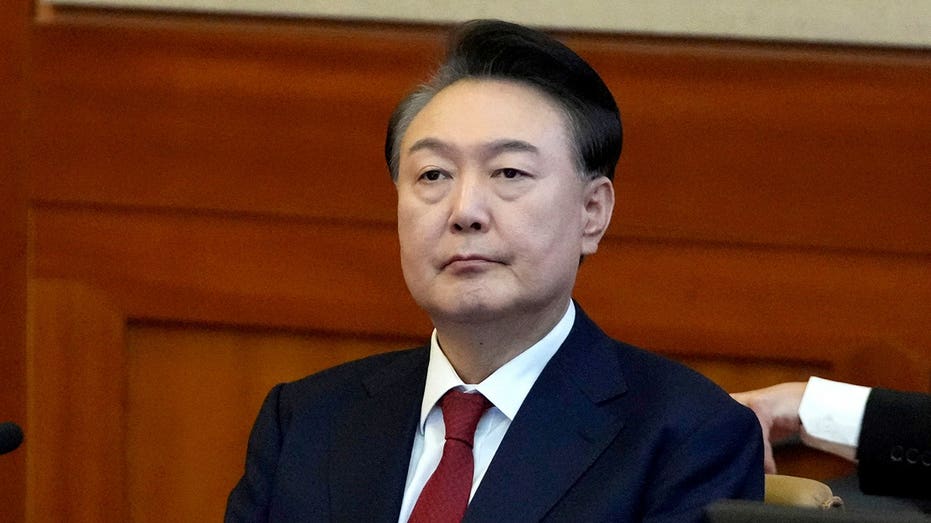
Ex-President Yoon Sentenced to 30 Years for North Korea Drone Flights
Former South Korean President Yoon Suk Yeol received a 30-year sentence for ordering drone flights over North Korea.
A South Korean court has sentenced former President Yoon Suk Yeol to 30 years in prison, finding him guilty of ordering drone flights over North Korea. The court stated these flights were allegedly used to justify the imposition of martial law.
The ruling marks a significant development for a former head of state in South Korea, potentially setting a precedent for accountability regarding national security decisions. The case centers on actions taken during Yoon's presidency, though the exact timeframe was not specified in the initial report.
Details of the drone operations and their intended purpose were central to the court's proceedings. Prosecutors presented evidence suggesting the flights were a pretext for declaring martial law, a move that would have granted the president extensive emergency powers. Yoon's defense team has maintained the operations were necessary for national security.
The conviction and lengthy sentence are likely to have far-reaching implications for South Korean politics and its relationship with North Korea. The court's decision will be closely scrutinized both domestically and internationally, particularly concerning the balance between presidential authority and judicial oversight in matters of national security.
This sentencing raises questions about the legal boundaries of presidential power, especially in the context of inter-Korean tensions. The prosecution's argument that the drone flights were fabricated to enable martial law implies a severe abuse of power, according to the court's findings.
Legal experts suggest that the appeal process will be crucial in determining the final outcome. The defense is expected to challenge the court's interpretation of the evidence and the legality of the drone missions themselves.
The case also highlights the sensitive nature of South Korea's security posture concerning its northern neighbor. Decisions made by the president regarding intelligence gathering and potential military responses are subject to intense scrutiny.
Further details regarding the specific evidence presented, the duration of the alleged justification period, and any potential accomplices are expected to emerge as the legal process continues. The court's final judgment will be a key point of reference for future national security policy debates.
This article was written by AI based on publicly available news reporting. Original reporting by the linked source.