Ex-Spanish PM Faces Backlash for Claiming France's World Cup Team Lacks French Players
Former Spanish Prime Minister Mariano Rajoy sparked controversy with remarks suggesting France's World Cup squad was not truly French.
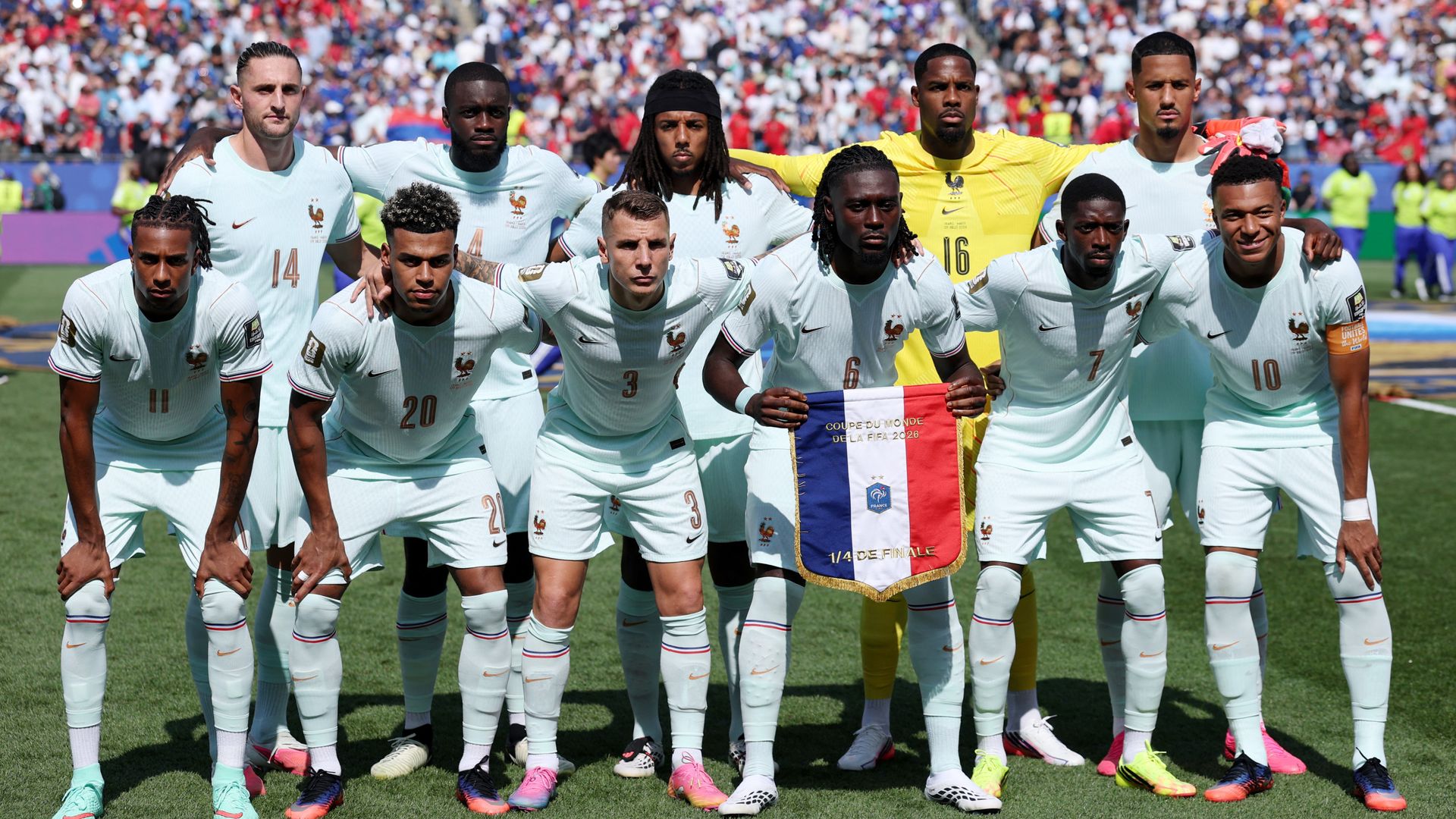
Former Spanish Prime Minister Mariano Rajoy has ignited a significant controversy following his public assertion that France's national football team lacks "French players." The comments, made recently, have drawn widespread criticism from various quarters, including politicians, sports commentators, and the public.
The controversy centers on Rajoy's interpretation of the diverse ethnic and national backgrounds of players representing France in international football competitions, most notably the FIFA World Cup. France has a long history of selecting players with immigrant heritage, a fact that has contributed to their on-field success but also become a recurring topic of debate regarding national identity.
Rajoy's remarks were widely interpreted as questioning the legitimacy of the French team's composition and, by extension, the concept of a multi-ethnic French national identity. Critics argue that such statements are divisive and ignore the contributions of players from diverse backgrounds who proudly represent France.
The implications of Rajoy's comments extend beyond a simple debate about football. They touch upon broader societal discussions about immigration, integration, and national identity in both Spain and France. His position as a former head of government lends significant weight to his words, making them a focal point for these sensitive issues.
Rajoy, who led Spain from 2011 to 2018, has not publicly elaborated on his statement beyond the initial remark. However, the backlash suggests that his comments have struck a nerve, resonating with those who see the French team as a symbol of a modern, inclusive France, and alarming those who hold more traditional views on national representation.
Commentators have pointed out that the French national football team has consistently featured players of African, Caribbean, and other origins for decades. This diversity has been celebrated by many as a reflection of contemporary French society and a key factor in the team's ability to field world-class talent, leading to major victories such as the 1998 and 2018 World Cup titles.
Critics of Rajoy's remarks have highlighted the historical context of national teams and player eligibility rules, noting that players are selected based on citizenship and adherence to FIFA regulations, not solely on ancestral origin. They argue that singling out the French team for its diversity is a mischaracterization and potentially xenophobic.
The incident raises questions about the role of public figures in shaping national discourse and the potential for seemingly offhand remarks to fuel divisive narratives. It remains to be seen whether Rajoy will offer further clarification or if the controversy will subside, but it has undeniably brought the complex relationship between sport, identity, and national belonging back into sharp focus.
This article was written by AI based on publicly available news reporting. Original reporting by the linked source.