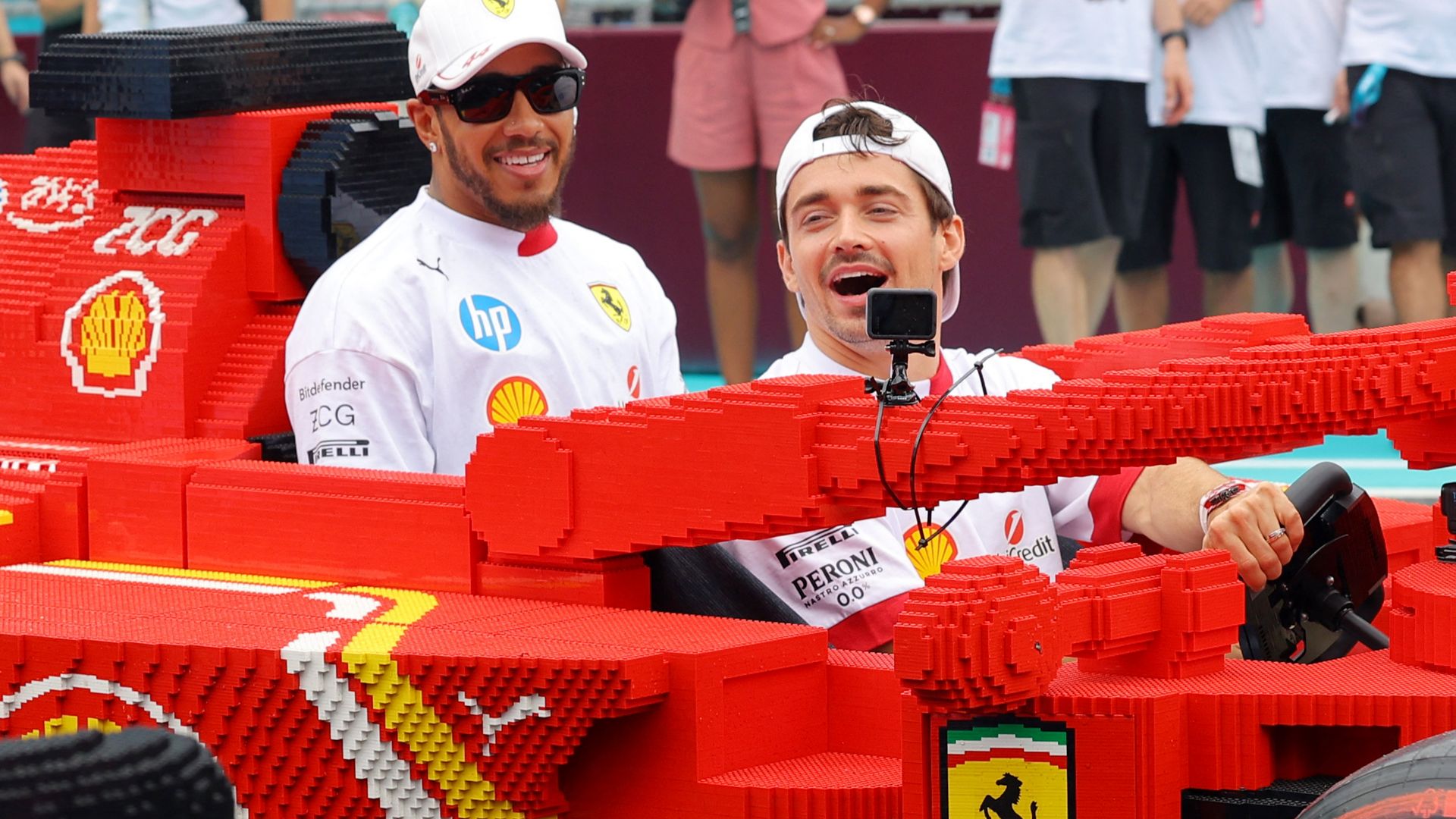
F1 Drivers Slam 'Clownish' Lego Car Parade Ahead of British Grand Prix
Formula One drivers have voiced strong disapproval of being paraded in Lego cars before the British Grand Prix, citing safety and image concerns.
Formula One drivers have expressed significant dissatisfaction with the organizers' decision to have them participate in a parade lap using Lego cars ahead of Sunday's British Grand Prix. The move, intended to be a lighthearted pre-race spectacle, has instead drawn sharp criticism from several prominent drivers who feel it undermines the sport's serious image.
The drivers' concerns center on both the perceived triviality of the activity and potential safety risks associated with driving oversized, novelty vehicles on a live Grand Prix circuit. This unusual pre-race entertainment has sparked a debate about the balance between fan engagement and maintaining the professional, high-stakes atmosphere that characterizes Formula One.
Reports indicate that multiple drivers voiced their objections privately and publicly. One driver was quoted as saying, "We should not look like kids and clowns." Another expressed worries about the visibility and handling of the Lego cars, particularly at the speeds involved in a parade lap, even if significantly reduced from race pace. The sentiment among many was that the activity felt undignified for elite athletes competing at the pinnacle of motorsport.
The backlash suggests a potential disconnect between Formula One's commercial and entertainment divisions and the drivers themselves, who are acutely aware of their brand and the perception of the sport. This incident may lead to a review of future promotional activities and a greater emphasis on driver input for such events.
Formula One has increasingly sought innovative ways to engage with a broader audience, often incorporating elements that appeal to families and casual fans. The Lego partnership, while potentially popular with younger demographics, appears to have missed the mark with the sport's main protagonists. The drivers' union or individual teams may seek to address these concerns with F1 management to ensure future events align with the drivers' professional standards.
This incident also raises questions about the decision-making process behind such promotional activities. It is unclear who specifically approved the use of the Lego cars and whether drivers or their representatives were consulted beforehand. The drivers' strong negative reactions suggest a lack of foresight regarding their professional sensibilities.
While the exact number of drivers who expressed dissent is not specified, the criticism has been significant enough to be widely reported, indicating a shared sentiment among a substantial portion of the grid. The focus now shifts to how Formula One management will respond to this criticism and whether it will influence their approach to similar fan-engagement initiatives in the future.
The British Grand Prix is one of the most historic and prestigious events on the Formula One calendar, and the drivers' desire to maintain its gravitas is understandable. The Lego car parade, however well-intentioned, has overshadowed the build-up to the race for some, highlighting a delicate balancing act for the sport's organizers.
This article was written by AI based on publicly available news reporting. Original reporting by the linked source.