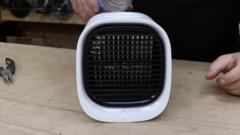
Fake portable air conditioners with '90-second cool' claims targeted by watchdog
Online adverts for portable air conditioners making impossible cooling claims are being flagged by the Advertising Standards Agency as potentially misleading.
As temperatures rise, consumers are being warned about a surge of online advertisements promoting portable air conditioners with exaggerated performance claims. These adverts, appearing on platforms like Facebook and YouTube, often promise rapid cooling, sometimes within 90 seconds, and feature sophisticated-sounding, yet often fabricated, design stories.
The Advertising Standards Agency (ASA) has issued a warning, stating that many of these products are "too good to be true." The devices are frequently advertised with claims of cooling entire homes quickly or using minimal electricity, often accompanied by seemingly glowing, but potentially fake, customer reviews.
Content creator Stuart Matthews, who runs the "Proper DIY" channel, purchased several of these advertised units for testing. He reported that one machine, bought for £70, was merely a basic fan worth only a few pounds. Matthews, a civil engineer, described the devices as containing cheap components and relying on flawed science, such as cardboard fins that get wet, a mechanism similar to swamp coolers which are less effective in humid climates.
The ASA advises consumers to be skeptical of adverts that sound too good to be true, especially those with dramatic backstories about secret inventions or breakthroughs. They also recommend looking out for poor grammar, spelling errors, and overly perfect customer testimonials. The watchdog is actively monitoring online platforms for such misleading advertisements.
Many of the adverts feature AI-generated visuals, using imagery like copper coils and metallic boxes to create an impression of advanced technology. The advertised prices for these devices typically range from £70 to £120. The ASA is working to identify these ads and has issued instructions to advertisers to ensure their claims are accurate and substantiated.
Traditional air conditioners work by removing heat from a room, often requiring an exhaust hose or an external unit. The devices being advertised often mimic swamp coolers, which cool air through water evaporation but increase humidity, making them less effective in damp conditions, common in many parts of the UK. These units do not perform the same function as conventional air conditioning.
Matthews expressed sympathy for consumers who have been misled, stating, "I really feel for the people that have been sucked into buying some of this rubbish." He highlighted that the advertised "liquid-compressed cooling cartridge" was in reality a simple setup with wet cardboard fins.
The ASA recommends that consumers research retailers thoroughly, checking for genuine contact details and a verifiable business address. They also suggest seeking independent reviews rather than relying solely on testimonials provided on the seller's website. Consumers who encounter suspicious adverts can report them to the ASA.
This article was written by AI based on publicly available news reporting. Original reporting by the linked source.