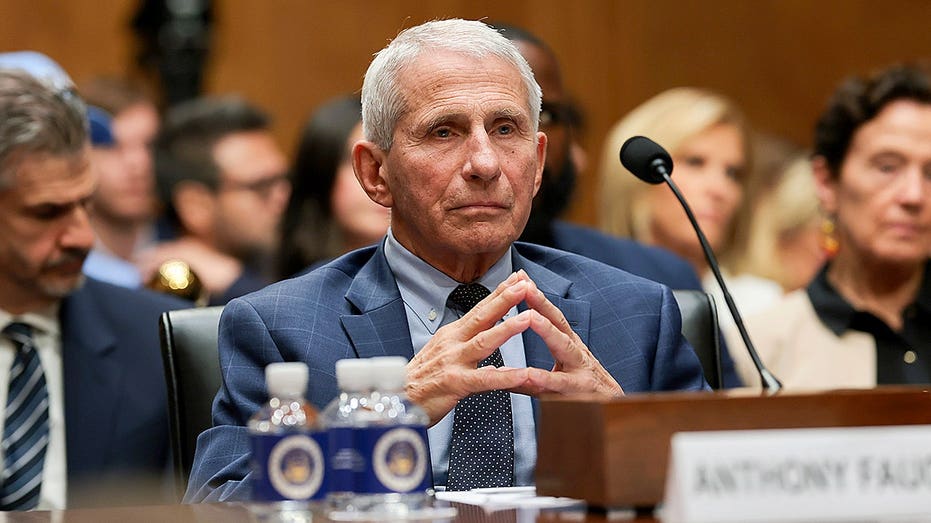
Fauci Texts Reveal 'Experts' Knew Masks Lacked Evidence, OutKick Reports
Newly released texts show Anthony Fauci and other experts privately acknowledged mask mandates lacked evidence and feared FOIA requests.
Newly released text messages reportedly from Dr. Anthony Fauci and other public health experts indicate private doubts about the effectiveness of COVID-19 mask mandates, according to an OutKick analysis.
The messages, obtained through a Freedom of Information Act (FOIA) request, suggest that some "experts" were aware that aerosols, not just respiratory droplets, drove COVID-19 transmission. This understanding, according to the report, contrasted with public statements and policies that often downplayed airborne spread and promoted masks as a primary mitigation strategy.
The texts allegedly reveal concerns among these individuals about how to handle public communications and the potential for scrutiny under FOIA laws. The reporting suggests an effort to manage public perception and avoid transparency regarding the scientific uncertainties surrounding mask efficacy, particularly against aerosolized particles.
This information raises questions about the scientific basis for early-pandemic mask recommendations and mandates, and whether the public was fully informed about the evolving understanding of the virus's transmission dynamics. The release of these private communications could fuel ongoing debates about pandemic response strategies and the role of public health officials.
Public health guidance on mask-wearing evolved significantly throughout the pandemic. Initially, many health organizations stated masks were not necessary for the general public, citing concerns about supply shortages for healthcare workers and limited evidence of widespread community benefit. However, as understanding of airborne transmission grew, recommendations shifted towards universal masking.
The OutKick report highlights specific instances where individuals allegedly discussed the scientific literature and their private reservations. The context provided in the texts suggests a tension between the scientific discourse happening privately and the public messaging being disseminated.
Further analysis of the released communications may shed more light on the decision-making processes and the scientific rationale, or lack thereof, behind key pandemic policies. The implications extend to public trust in health institutions and the transparency of scientific advice during public health crises.
These revelations come at a time when public discourse continues to grapple with the effectiveness and necessity of various COVID-19 mitigation measures. The newly surfaced texts could prompt further investigation and re-evaluation of the historical narrative surrounding the pandemic's early response.
This article was written by AI based on publicly available news reporting. Original reporting by the linked source.