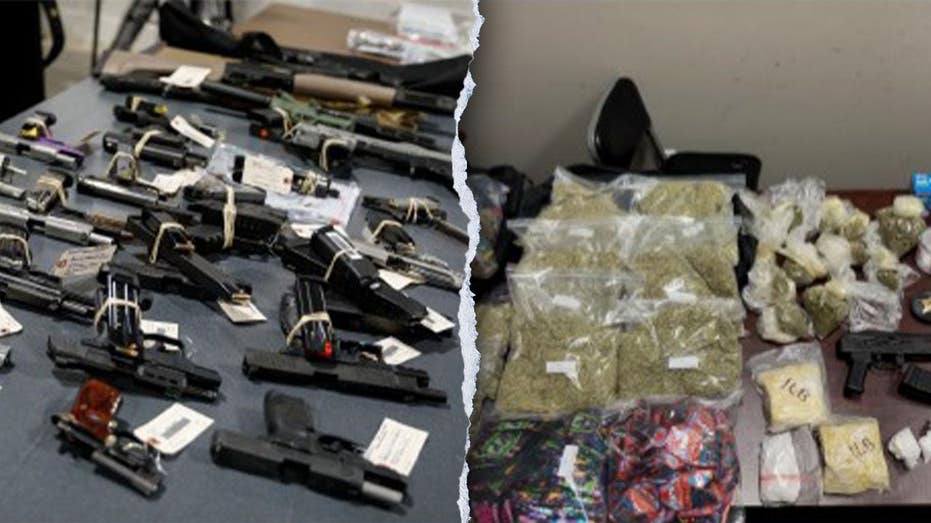
FBI Operation Spring Cleaning Nets Over 1,100 Arrests, Seizes Guns and Drugs
FBI's Operation Spring Cleaning leads to over 1,100 arrests nationwide, with hundreds of firearms and significant drug quantities seized.
A sweeping nationwide FBI operation, dubbed "Spring Cleaning," has resulted in over 1,100 arrests across the United States. The multi-agency effort, which concluded recently, also led to the seizure of hundreds of firearms and substantial amounts of illegal drugs, marking a significant success in the Bureau's ongoing fight against violent crime and illicit trafficking.
The operation targeted criminal networks involved in a range of offenses, including drug trafficking, illegal weapons distribution, and violent crime. This coordinated push by the FBI and its law enforcement partners aimed to disrupt and dismantle these organizations that pose a threat to public safety.
While specific details regarding the exact quantities of drugs and types of firearms seized are still being compiled, officials confirmed that the scale of the seizures was extensive. The arrests were made in numerous FBI field office jurisdictions, indicating the widespread nature of the criminal activity addressed by the operation.
The implications of Operation Spring Cleaning are far-reaching, potentially disrupting drug supply chains and reducing the availability of illegal firearms in communities. The success of such large-scale, coordinated efforts underscores the importance of inter-agency cooperation in tackling complex criminal enterprises.
Law enforcement agencies involved emphasized that this operation is part of a sustained commitment to combating crime. The FBI has been focusing on violent crime initiatives, and operations like Spring Cleaning are a key component of these strategies. The goal is to not only apprehend individuals but also to dismantle the infrastructure that supports criminal activity.
This operation highlights the persistent challenges posed by organized crime groups that operate across state lines. The FBI utilizes a variety of intelligence-gathering techniques and collaborative approaches to identify and target these groups effectively. The success of Spring Cleaning is a testament to these methods.
Further details about specific cases and the impact of the seizures are expected to be released as investigations continue and legal proceedings commence. The Bureau indicated that this is not an isolated event but rather part of a broader, ongoing strategy to enhance public safety.
Questions remain about the long-term impact on the targeted criminal organizations and the specific communities affected by the operation. However, the initial results suggest a significant blow to criminal networks operating within the United States.
This article was written by AI based on publicly available news reporting. Original reporting by the linked source.