Fed Holds Rates Steady Amid 3-Year High Inflation, Hints at Future Hikes
The Federal Reserve maintained its interest rates Wednesday, as inflation reached a three-year peak, with Chair Kevin Warsh vowing to restore price stability.
The Federal Reserve held its benchmark interest rate steady on Wednesday, a decision made as the United States grapples with its highest inflation rate in three years. This marks the first interest rate decision under the leadership of Fed Chair Kevin Warsh, who assumed the role recently.
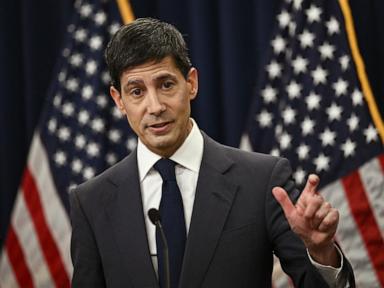
Warsh, speaking at a press conference in Washington, D.C., expressed a firm commitment to bringing inflation down to the central bank's target of 2%. The current annual pace of price increases is more than double this objective. "Persistently high prices are a burden for the American people," Warsh stated, adding, "This committee will deliver price stability."
All 12 members of the Federal Open Market Committee (FOMC) voted in favor of maintaining the current interest rate. Notably, nine members indicated expectations for at least one interest rate increase by the end of 2026, signaling a shift in sentiment from projections made three months prior. The FOMC's official statement characterized inflation as elevated, partly attributing it to supply shocks in sectors like energy.
The policy decision comes at a time of economic transition, shortly after an agreement between the United States and Iran was announced, offering potential relief from price pressures. Gasoline prices had recently fallen below $4 a gallon for the first time since March, though fuel costs remain significantly higher than pre-conflict levels, and grocery prices are still elevated.
Market expectations for a rate hike by year-end have been growing, with futures markets assigning roughly a 40% chance of a quarter-point increase in December, according to the CME FedWatch Tool. This shift in sentiment followed a stronger-than-expected jobs report in May, which indicated robust hiring and suggested a resilient labor market that could potentially allow the Fed more flexibility to address inflation.
The elevated inflation has been significantly influenced by the conflict in the Middle East, which led to Iran's closure of the Strait of Hormuz. This disruption, a key route for global oil transport, triggered substantial oil price surges and contributed to rising gasoline costs. The recent U.S.-Iran deal, announced by President Donald Trump, includes provisions to reopen the strait, a development confirmed by Iranian Deputy Foreign Minister Kazem Gharibabadi.
While the U.S.-Iran accord offers a glimmer of hope for easing fuel prices, the broader inflationary pressures, including elevated grocery costs, persist. The Federal Reserve faces the delicate task of balancing its mandate for price stability with the need to support economic growth and employment.
Analysts will be closely watching future economic data, particularly inflation reports and labor market indicators, to gauge the likelihood and timing of any potential interest rate adjustments by the Fed. The committee's future communications and voting patterns will also be scrutinized for further insights into their strategy for navigating the current economic landscape.
This article was written by AI based on publicly available news reporting. Original reporting by the linked source.