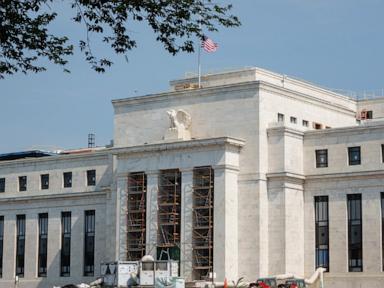
Fed Holds Rates Steady Amid Inflation Surge Fueled by Iran War
The Federal Reserve maintained interest rates Wednesday as the economy confronts resurgent inflation driven by renewed conflict in the Middle East.
The Federal Reserve held its benchmark interest rate steady on Wednesday, signaling a continued effort to combat resurgent inflation that has been exacerbated by renewed conflict in the Middle East. The decision comes as oil prices have surged and stock markets have experienced declines, reflecting the instability caused by the resumption of fighting in the region.
This policy move underscores the challenging environment faced by central bankers striving to control price increases. Fed Chair Kevin Warsh, in his role since May, has consistently stated his commitment to reducing inflation to the Federal Reserve's target of 2%. Currently, the annual inflation rate stands at 3.5%.
"The committee remains resolute -- you’ve heard this before -- that we will deliver price stability," Warsh told reporters in Washington, D.C. He emphasized that the central bank would persist in its efforts to lower price increases, despite inflation remaining above the Fed's target for several years. Warsh clarified that there is no "soft inflation target," reiterating that the sole objective is 2%.
The Federal Open Market Committee (FOMC), the Fed's 12-member policymaking body, voted 9-3 to maintain interest rates at their current levels. Three members favored a quarter-point increase. The committee's statement attributed elevated inflation in part to supply shocks, particularly in the energy sector.
The Iran war has been a significant factor in the recent inflationary pressures, triggering an oil shortage that drove up fuel costs and contributed to inflation reaching a three-year high. While a preliminary peace agreement in June provided temporary relief, recent intermittent fighting has led to a renewed increase in crude oil prices.
Looking ahead, market sentiment, as measured by CME Group's FedWatch Tool, suggests a higher probability of a rate hike at the Fed's next meeting in September. This indicates that while rates are currently on hold, further tightening remains a possibility if inflationary pressures persist.
The elevated inflation presents a dilemma for the Fed. Raising interest rates could help cool prices but risks slowing down the labor market. However, hiring has shown resilience thus far in 2026. Data from the U.S. Bureau of Labor Statistics indicates that the labor market added an average of 92,000 jobs per month in the first half of 2026, a notable improvement from the average of approximately 7,000 jobs lost per month in the latter half of 2025.
Oil prices have been particularly volatile, swinging dramatically in recent weeks. This volatility in a key component of overall inflation complicates the Fed's task of achieving price stability and maintaining economic growth.
This article was written by AI based on publicly available news reporting. Original reporting by the linked source.