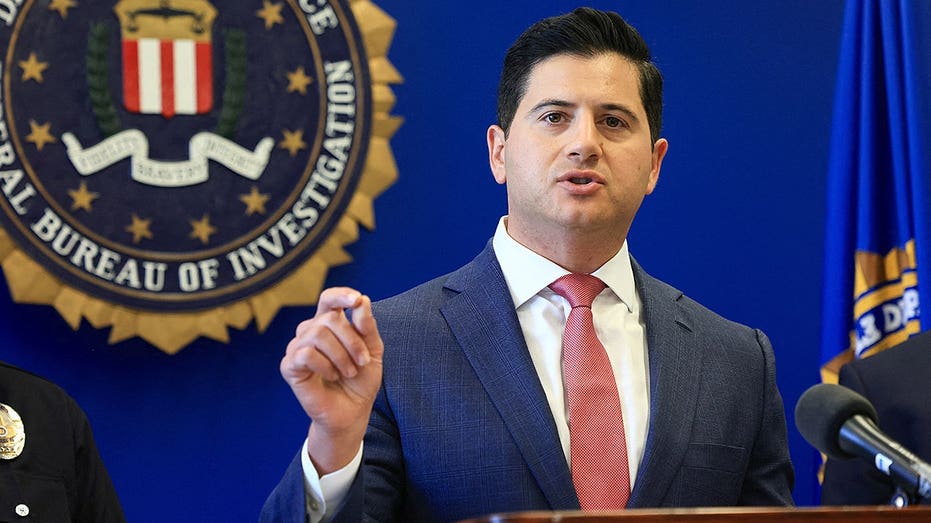
Federal Judge Disqualifies Bill Essayli as De Facto US Attorney in California
A federal judge ruled Bill Essayli unlawfully served as de facto US Attorney for California, violating the Constitution's recess appointments clause.
A federal judge has ruled that Bill Essayli unlawfully served as the de facto United States Attorney for California, determining his appointment violated the Constitution's recess appointments clause. The decision came in a ruling by U.S. District Judge William H. Alsup, who found that Essayli's role was invalid because President Trump appointed him during a Senate session, not a recess.
Essayli, a former Republican state assemblyman, was appointed by former President Donald Trump in January 2021 to serve as interim U.S. Attorney for the Central District of California. This appointment occurred despite the Senate being in session at the time, which Judge Alsup concluded contravened the Vacancies Reform Act and the Appointments Clause of the Constitution. The Appointments Clause grants the President the power to fill vacancies that arise during a Senate recess, but not when the Senate is convened and capable of confirming nominees.
Judge Alsup's ruling, made public Tuesday, stated that Essayli's actions as U.S. Attorney were therefore invalid. The judge emphasized that the Appointments Clause is a critical check on executive power, designed to ensure that presidential appointments are subject to Senate scrutiny. He noted that the Senate was in session for at least three days before Trump made the appointment, rendering it an improper recess appointment.
The implications of this ruling are significant, potentially affecting any prosecutions or legal actions overseen by Essayli during his tenure. Judge Alsup ordered that the government provide a list of all matters Essayli handled and explain why the cases should not be dismissed or otherwise remedied due to the invalidity of his appointment. The Department of Justice is expected to review the decision and determine its next steps, which could include appealing the ruling or seeking to validate Essayli's past actions through alternative legal means.
This case highlights a recurring legal challenge regarding the use of recess appointments by presidents to bypass Senate confirmation. Critics have argued that such appointments can undermine the Senate's constitutional role and lead to unqualified individuals holding critical positions. The Trump administration, like previous administrations, faced scrutiny over its use of recess appointments.
Essayli's appointment was controversial from the outset, with some legal experts questioning its validity. His background as a state legislator, rather than a career prosecutor, also drew attention. The Central District of California is one of the largest federal prosecutor's offices in the nation, handling a wide range of high-profile cases.
The judge's decision does not necessarily mean that all cases handled by Essayli will be automatically dismissed. However, it creates a significant legal hurdle for the government, which will now have to demonstrate that the integrity of the judicial process was not compromised by an unlawfully appointed official.
The ruling underscores the importance of constitutional procedures in the appointment of federal officials and sets a precedent for how such appointments will be reviewed in the future. The Department of Justice's response will be closely watched by legal observers and potentially by defendants in cases where Essayli played a role.
This article was written by AI based on publicly available news reporting. Original reporting by the linked source.