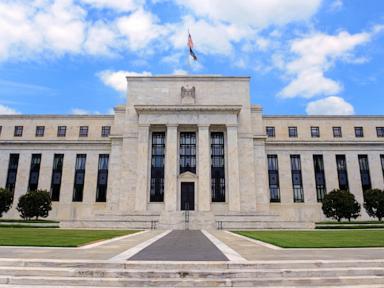
Federal Reserve Hikes Rates First Time Since July 2023 to Combat Inflation
The Federal Reserve increased its benchmark interest rate by a quarter percentage point on Wednesday, marking the first hike since July 2023 to address surging inflation.
The Federal Reserve raised interest rates on Wednesday, the first such move since July 2023, in an effort to combat a persistent surge in inflation exacerbated by the Iran war. The central bank increased its benchmark rate by a quarter of a percentage point, setting the target range between 3.75% and 4%.
This decision comes as global oil prices hover near a four-month high, with the average price for a gallon of gasoline exceeding $4.30. The U.S. economy has also shown signs of strain, including a bond selloff that is increasing borrowing costs for consumers.
Federal Reserve Chair Kevin Warsh stated at a press conference in Washington, D.C., that inflation remains "too high and has been for too long." He emphasized the committee's unanimous vote demonstrates a strong resolve to achieve price stability more quickly. The rate hike follows the Fed's decision to hold rates steady in July, a move that saw significant dissent among policymakers.
The implications of this rate increase are far-reaching, potentially impacting borrowing costs for mortgages, credit cards, and other loans. The stock market reacted negatively to the announcement, with major indexes falling shortly after the policy decision.
Data from the federal government showed that prices rose 3.4% in August compared to the previous year, maintaining the same rate as the month prior. This figure remains more than a percentage point above the Federal Reserve's target inflation rate of 2%.
Despite inflationary pressures, the U.S. economy has demonstrated resilience in other areas. A recent jobs report indicated that employers added 162,000 workers.
The policy shift reflects a divided sentiment among central bankers in recent months, who have grappled with balancing inflation containment against concerns of cooling the economy and weakening the labor market.
Warsh, who assumed leadership of the Federal Reserve in May, has publicly committed to addressing elevated price increases. His remarks last month at the Fed's Jackson Hole gathering highlighted prices as the "predominant focus" for the central bank.
This article was written by AI based on publicly available news reporting. Original reporting by the linked source.