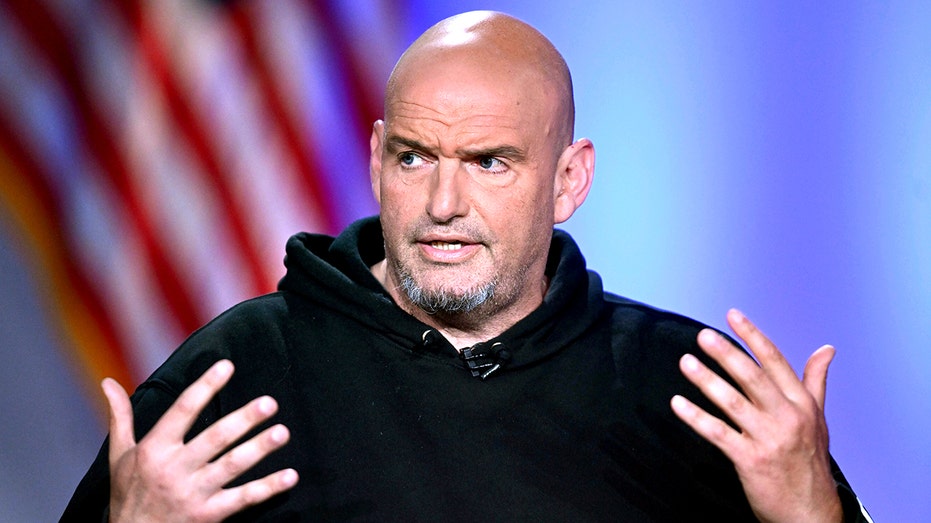
Fetterman Urges Democrats to Drop 'F--- Trump' Strategy, Embrace Trump Supporters
Senator John Fetterman called for Democrats to abandon an overtly hostile approach to Donald Trump and engage with his supporters.
Senator John Fetterman has urged the Democratic Party to reconsider its strategy for confronting former President Donald Trump, advocating for a shift away from a purely oppositional stance and encouraging engagement with Trump's supporters.
Fetterman, a Democrat representing Pennsylvania, expressed his belief that the party's current approach of focusing solely on antagonizing Trump and his base is counterproductive. He suggested that this strategy alienates potential voters and fails to address the underlying concerns that draw people to Trump.
In comments made recently, Fetterman indicated that the Democratic Party needs to change its messaging and outreach efforts. He specifically criticized the prevalent "f--- Trump" sentiment within some Democratic circles, arguing that it does not resonate with a broader electorate and hinders the party's ability to connect with working-class voters who may feel overlooked.
The senator's remarks suggest a desire for a more nuanced political discourse, one that acknowledges the diverse perspectives within the American electorate, including those who support Trump. This approach, he implied, could lead to more effective political strategies and potentially win over voters who currently feel alienated by the Democratic Party.
Fetterman's call for a strategic pivot comes amid ongoing debates within the Democratic Party about how best to counter Trump's political influence. While some prominent Democrats maintain a hardline stance against Trump, others, like Fetterman, are exploring alternative methods to gain political ground and broaden their appeal.
The implications of Fetterman's perspective could influence future Democratic campaign tactics. By suggesting a move away from direct confrontation and towards a more inclusive dialogue, he positions himself as an advocate for a less polarized political environment, potentially impacting how the party engages with voters in upcoming elections.
This call for a change in strategy by a sitting Democratic senator highlights internal party discussions about electoral success and the challenges of connecting with segments of the population that have gravitated towards Trump. The senator's emphasis on understanding and engaging with Trump supporters, rather than simply condemning them, represents a notable departure from some prevailing Democratic rhetoric.
Whether Fetterman's viewpoint gains wider traction within the Democratic Party remains to be seen, but his public statements offer a window into evolving strategies for political engagement in an increasingly divided nation.
This article was written by AI based on publicly available news reporting. Original reporting by the linked source.