FIFA Sued Over Iran's Pre-Revolution 'Lion and Sun' Flag Ban
FIFA faces a lawsuit challenging its ban on Iran's pre-revolution 'Lion and Sun' flag at the 2026 World Cup stadiums.
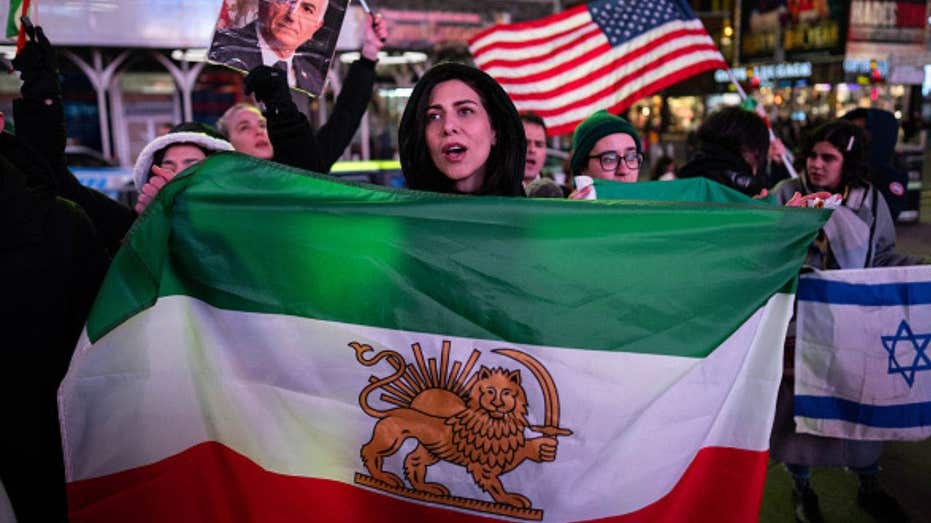
FIFA is facing a lawsuit over its decision to ban the pre-revolution "Lion and Sun" flag of Iran from being displayed at 2026 World Cup stadiums. The ban has drawn criticism from those who argue it unfairly targets a symbol of Iranian dissidents while allowing other politically charged symbols.
The "Lion and Sun" emblem, which features a lion holding a sword and a rising sun, was the national symbol of Iran before the 1979 Islamic Revolution. Its prohibition by FIFA is seen by some as an attempt to avoid controversy or political statements, but critics argue it suppresses freedom of expression and silences opposition voices.
Legal action has been initiated, citing concerns rooted in First Amendment principles. Proponents of the lawsuit contend that FIFA's selective enforcement of its policies is discriminatory. They point to the continued allowance of Palestinian flags at matches as an example of what they perceive as a double standard, suggesting that symbols of protest or national identity are permitted for some nations but not for others.
The lawsuit's implications could extend beyond the immediate context of the 2026 World Cup. It raises questions about FIFA's authority to regulate political expression within sporting events and the potential for such decisions to impact international sports diplomacy and the rights of athletes and fans alike. The outcome may set a precedent for how global sports bodies handle displays of national and political symbolism.
FIFA's regulations generally prohibit political, religious, or offensive slogans, images, or advertising on flags and banners. However, the interpretation and enforcement of these rules have often been a source of contention. The organization has previously navigated complex geopolitical situations by attempting to maintain a neutral stance, which can sometimes lead to accusations of bias or appeasement.
Supporters of the ban might argue that it is necessary to maintain a apolitical atmosphere at the World Cup, preventing the tournament from becoming a platform for divisive political agendas. They could also emphasize that the "Lion and Sun" flag is associated with a specific historical regime and may not represent the views of all Iranian citizens or the current Iranian state.
Conversely, opponents of the ban see the "Lion and Sun" flag as a potent symbol of Iranian heritage and a representation of democratic aspirations for many in the diaspora and within Iran. They argue that banning it effectively censors a significant segment of the Iranian population and their desire for change, especially in contrast to other symbols that are permitted.
The legal challenge is expected to bring further scrutiny to FIFA's decision-making processes and its commitment to principles of inclusivity and freedom of expression in international sports. It remains to be seen how FIFA will respond to the lawsuit and whether its stance on the "Lion and Sun" flag will be upheld or challenged in court.
This article was written by AI based on publicly available news reporting. Original reporting by the linked source.