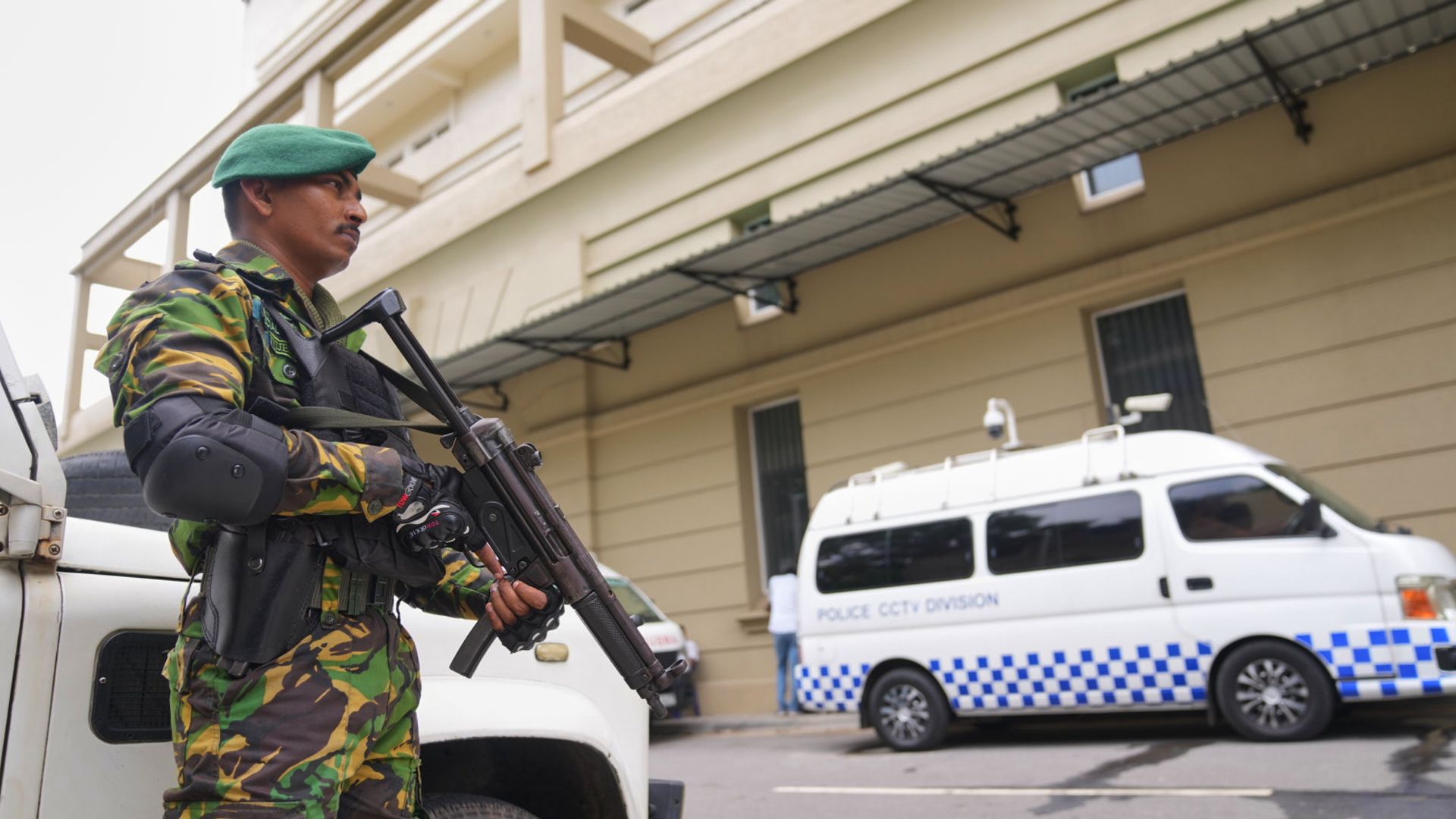
Fifteen Jailed for Life in Sri Lanka for 2019 Easter Bombings
Fifteen men received life sentences for their roles in the 2019 Easter Sunday attacks that claimed over 260 lives in Sri Lanka.
Fifteen men have been sentenced to life imprisonment for their involvement in the 2019 Easter Sunday bombings in Sri Lanka, which resulted in the deaths of more than 260 people and injured hundreds more. The convictions mark a significant judicial development following the coordinated attacks that targeted churches and hotels across the island nation.
The 2019 attacks, which occurred on Easter Sunday, April 21, sent shockwaves through Sri Lanka and the international community. Nine suicide bombers detonated explosives at three churches during Easter services and at three luxury hotels frequented by tourists. The scale of the violence and the targeting of religious sites highlighted a severe security lapse and brought to light the presence of radicalized groups within the country.
Following an extensive investigation and a lengthy trial process, the Colombo High Court delivered the verdicts against the convicted individuals. While the source material does not specify the exact charges for which they were convicted, their sentencing to life imprisonment indicates their direct or indirect participation in the planning, execution, or facilitation of the deadly bombings. Authorities have previously linked the attacks to a local extremist group, the National Thowheed Jamath (NTJ), which was allegedly inspired by international terrorist organizations.
The judicial outcome is expected to bring a measure of closure to the victims' families and survivors, though the trauma of the events continues to resonate. The convictions also underscore the ongoing efforts by Sri Lankan authorities to address extremism and ensure accountability for such acts of terror. The focus now shifts to the implications for national security and the potential for further legal proceedings or investigations.
These convictions are a culmination of years of legal proceedings that have been closely watched by human rights groups and the public. The investigation into the bombings was complex, involving the identification and apprehension of numerous individuals suspected of having links to the perpetrators. The Sri Lankan government has faced scrutiny over intelligence failures that preceded the attacks, prompting calls for comprehensive reforms to prevent future incidents.
Survivors and relatives of those killed have long awaited justice, with many expressing frustration over the pace of the legal process. The sentencing provides a definitive legal resolution for the fifteen individuals found guilty, though the full scope of the network behind the attacks may still be under examination.
International partners have also been involved in assisting Sri Lanka's efforts to combat terrorism and enhance its security infrastructure. The attacks had a significant impact on Sri Lanka's tourism industry and its economy, underscoring the far-reaching consequences of such acts of violence. The long-term implications for religious harmony and social cohesion in the country remain a critical concern.
Questions may persist regarding the full extent of any external support or influence on the perpetrators, and whether all individuals involved have been brought to justice. The judicial process has now concluded for these fifteen men, but the memory of the 2019 Easter Sunday attacks serves as a stark reminder of the challenges posed by extremism.
This article was written by AI based on publicly available news reporting. Original reporting by the linked source.