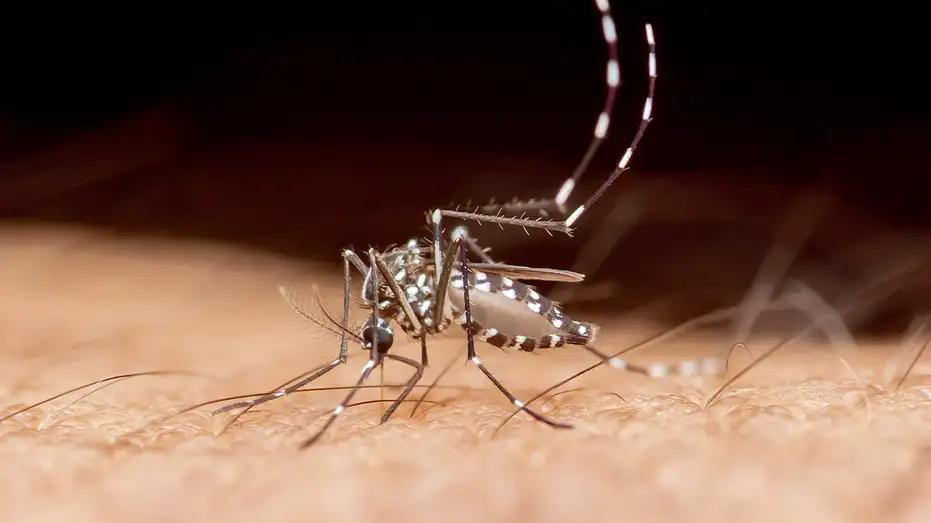
Florida Reports First Dengue Fever Death of 2026 Amid Local Outbreak
A Florida resident has died from dengue fever, marking the state's first recorded fatality from the mosquito-borne illness this year.
Florida has recorded its first death attributed to dengue fever in 2026, officials confirmed, as a local outbreak of the mosquito-borne illness continues to be monitored within the state.
The case marks a somber milestone for the southern U.S. state, which, like other tropical and subtropical regions, faces recurring challenges with diseases transmitted by mosquitoes.
Details surrounding the deceased individual have not been released, citing privacy concerns. However, health authorities are intensifying surveillance and public health messaging to mitigate further spread and protect residents. Dengue fever, characterized by symptoms such as high fever, severe headache, rash, and muscle and joint pain, can, in rare severe cases, lead to hemorrhagic fever and shock.
The outbreak in Florida underscores the persistent threat of arboviruses in areas with suitable climates for mosquito populations. Public health officials are urging residents to take preventative measures against mosquito bites, including using insect repellent, wearing protective clothing, and eliminating standing water around homes where mosquitoes can breed.
Dengue fever is caused by one of four related viruses and is transmitted by the Aedes species of mosquito. While many infections are asymptomatic or mild, a small percentage can develop into severe dengue, which can be fatal if not treated promptly. The virus is not transmitted person-to-person but through mosquito bites.
This development comes as global health organizations continue to track the spread of dengue fever, which has seen a significant increase in cases worldwide in recent years. Factors such as climate change and increased travel are believed to contribute to its expanding geographic reach and the intensity of outbreaks.
Local health departments are working in conjunction with state and federal agencies to manage the current situation. This includes enhanced mosquito control efforts, such as spraying, and public awareness campaigns. Residents experiencing symptoms consistent with dengue fever are advised to seek medical attention.
The long-term implications of this fatality and ongoing outbreak will likely involve continued investment in mosquito control infrastructure and public health preparedness strategies to combat vector-borne diseases in vulnerable regions.
This article was written by AI based on publicly available news reporting. Original reporting by the linked source.