Former Deputy Convicted of Murder Denied Early Release Over Cancer Claim
Sean Grayson, convicted of killing Sonya Massey, was denied medical release by a prisoner board despite a cancer diagnosis.
A former Illinois sheriff's deputy convicted of murdering Sonya Massey has been denied early release from prison by a prisoner review board. Sean Grayson, who sought medical release due to a cancer diagnosis, will remain incarcerated.
Grayson was sentenced to 20 years in prison in January following his conviction last October for the fatal 2024 shooting of Massey in her Springfield home. The Illinois Prisoner Review Board voted unanimously to deny his application, with a spokesperson confirming the decision.
The board's decision came after Grayson's request for early release based on his medical condition. He had been seeking to leave prison due to his battle with cancer. The board's 3-0 vote indicates they found insufficient grounds to grant his request.
Grayson's conviction stemmed from the death of Sonya Massey, who was killed in her Springfield residence last year. His sentencing to 20 years in prison followed his conviction in October 2025. The details surrounding Massey's death and Grayson's involvement led to the murder charge and subsequent conviction.
This denial means Grayson will continue to serve his 20-year sentence. The prisoner review board's role is to consider applications for release, including those based on medical grounds. Their decision reflects an assessment of the circumstances and the criteria for early release.
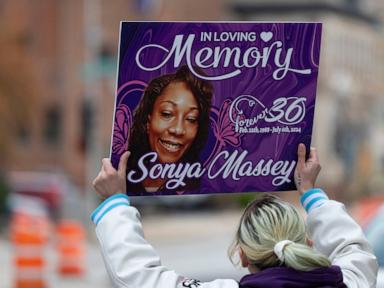
During Grayson's trial, supporters of Massey, such as Kala McGuire of Springfield, Illinois, rallied outside the Peoria County Courthouse, demonstrating their commitment to seeking justice. These public displays highlighted the community's engagement with the legal proceedings.
The case has drawn attention due to Grayson's former role as a law enforcement officer. Convictions of former deputies often raise questions about accountability within the justice system and public trust.
Further details regarding Grayson's medical status and the specific evidence considered by the Prisoner Review Board have not been publicly disclosed. The case remains a significant event in Sangamon County, underscoring the serious consequences of violent crime.
This article was written by AI based on publicly available news reporting. Original reporting by the linked source.