Fox News Newsletter Highlights Campus Culture Wars: Pride Flags Removed, DEI Criticized
Fox News' Campus Radicals newsletter covers recent campus controversies including Pride flag removals and renewed DEI scrutiny.
A recent edition of the Fox News Campus Radicals newsletter has brought to light several contentious issues unfolding on university campuses across the United States. The newsletter, which aims to keep readers informed about what it terms "campus radicalism," focused on the removal of Pride flags and the ongoing criticism of Diversity, Equity, and Inclusion (DEI) initiatives.
The reporting highlights a growing tension between traditional institutional values and the evolving social and political landscape on higher education grounds. These issues have become focal points in broader cultural debates, with universities often finding themselves at the center of these conflicts.
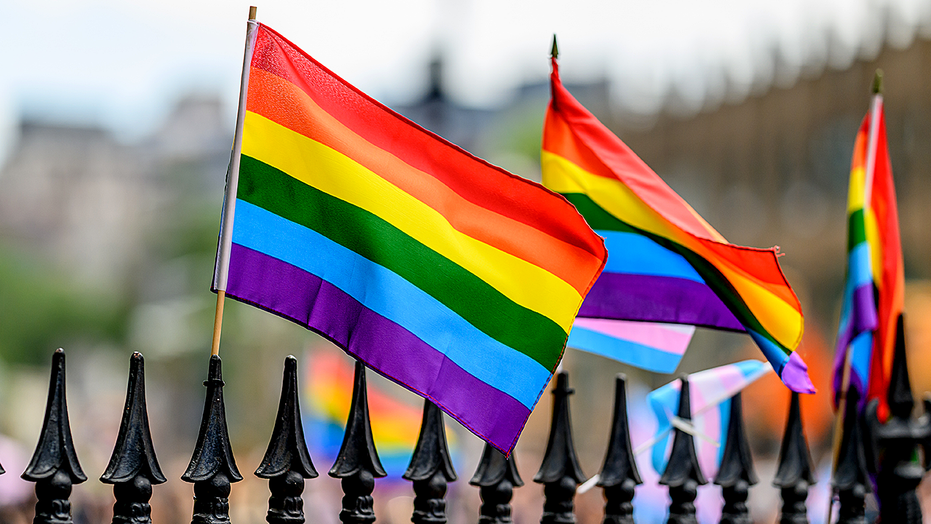
The newsletter detailed instances where Pride flags, symbols of LGBTQ+ support, were reportedly taken down from campus spaces. This action has sparked discussions about freedom of expression and the inclusivity of university environments. Additionally, the newsletter revisited criticisms leveled against DEI programs, which some argue have become divisive or ineffective, while proponents maintain their crucial role in fostering equitable environments.
These developments suggest a continued struggle on campuses to balance diverse viewpoints and address issues of identity and representation. The newsletter's framing indicates a critical perspective on these changes, positioning them within a narrative of perceived ideological shifts on campus.
The removal of Pride flags, in particular, has drawn varied reactions. Some see it as an erasure of LGBTQ+ presence, while others may view it through different lenses depending on their stance on campus displays and institutional neutrality. The newsletter did not elaborate on the specific reasons or justifications provided for these removals in the instances it cited.
Similarly, the renewed focus on DEI programs reflects an ongoing debate about their implementation and impact. Critics often question the efficacy and fairness of these programs, while supporters emphasize their importance in addressing historical inequities and promoting a more inclusive academic and professional setting.
The newsletter also touched upon criticism from a television host regarding the political and social climate in California, drawing a connection between broader societal trends and the campus environment. This suggests an attempt to link campus-specific issues to wider political discourse.
As these debates continue, universities are likely to face ongoing pressure to navigate complex social issues, manage diverse student and faculty populations, and define their role in contemporary cultural conversations. The specific outcomes and long-term implications of these controversies remain a subject of ongoing observation and discussion.
This article was written by AI based on publicly available news reporting. Original reporting by the linked source.