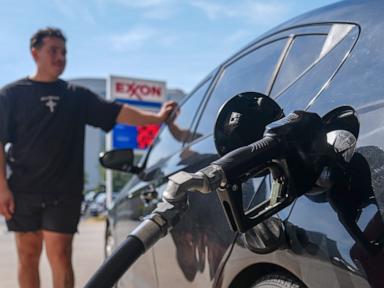
Gas Prices Shatter Record: 158 Days Above $4 Amid Ongoing Oil Shortage
Gas prices have exceeded $4 a gallon for a record 158 days in 2026, driven by an oil shortage and the Iran war.
The national average price for a gallon of gasoline has surpassed $4 for a record 158 days in 2026, according to GasBuddy petroleum analyst Patrick De Haan. This unprecedented streak marks the highest number of days above the $4 threshold ever recorded in a single calendar year.
The surge in gasoline prices is directly linked to an ongoing oil shortage, exacerbated by conflict in the Strait of Hormuz. Fighting in the crucial shipping lane has caused a significant disruption to global oil supplies, leading to a historic oil supply shock.
Global oil prices currently stand above $106 a barrel, representing a 50% increase from their pre-conflict levels. The national average gas price is $4.33, AAA reported, a stark contrast to prices below $3 a gallon before the Iran war began in February.
This sustained period of high fuel costs is impacting consumers and political landscapes. The record-breaking gas prices arrive as voter concern over affordability heightens ahead of the midterm elections in early November. An inflation report released Wednesday indicated that gas prices alone jumped over 9% in September, contributing more than half of the overall price increase for the month. Overall inflation reached a four-month high in September.
The conflict in the Middle East initially drove fuel prices and contributed to a three-year high in inflation in May. While inflation saw a slight decrease over the summer following a temporary pause in hostilities, a preliminary peace agreement expired in August. This led to renewed attacks on oil infrastructure and vessels, perpetuating supply chain risks.
Despite some recent improvements in oil exports from the Gulf region, elevated shipping costs and persistent security concerns continue to keep gasoline prices exceptionally high. Diesel prices, critical for the transportation of goods and thus impacting the cost of nearly all retail products, are currently at $6.29 a gallon, according to AAA. This represents an approximate 66% increase since the war's commencement.
The economic strain is evident in consumer sentiment, which in September fell to near historic lows, according to the University of Michigan's 74-year-old survey. The prolonged period of high energy costs underscores the complex interplay between geopolitical events, global supply chains, and domestic economic conditions.
As the situation in the Strait of Hormuz remains volatile and the oil shortage persists, drivers and consumers are likely to face continued elevated prices at the pump, with broader implications for inflation and economic stability.
This article was written by AI based on publicly available news reporting. Original reporting by the linked source.