Gaza Boys Accuse UK PM of Broken Promise on Family Reunification
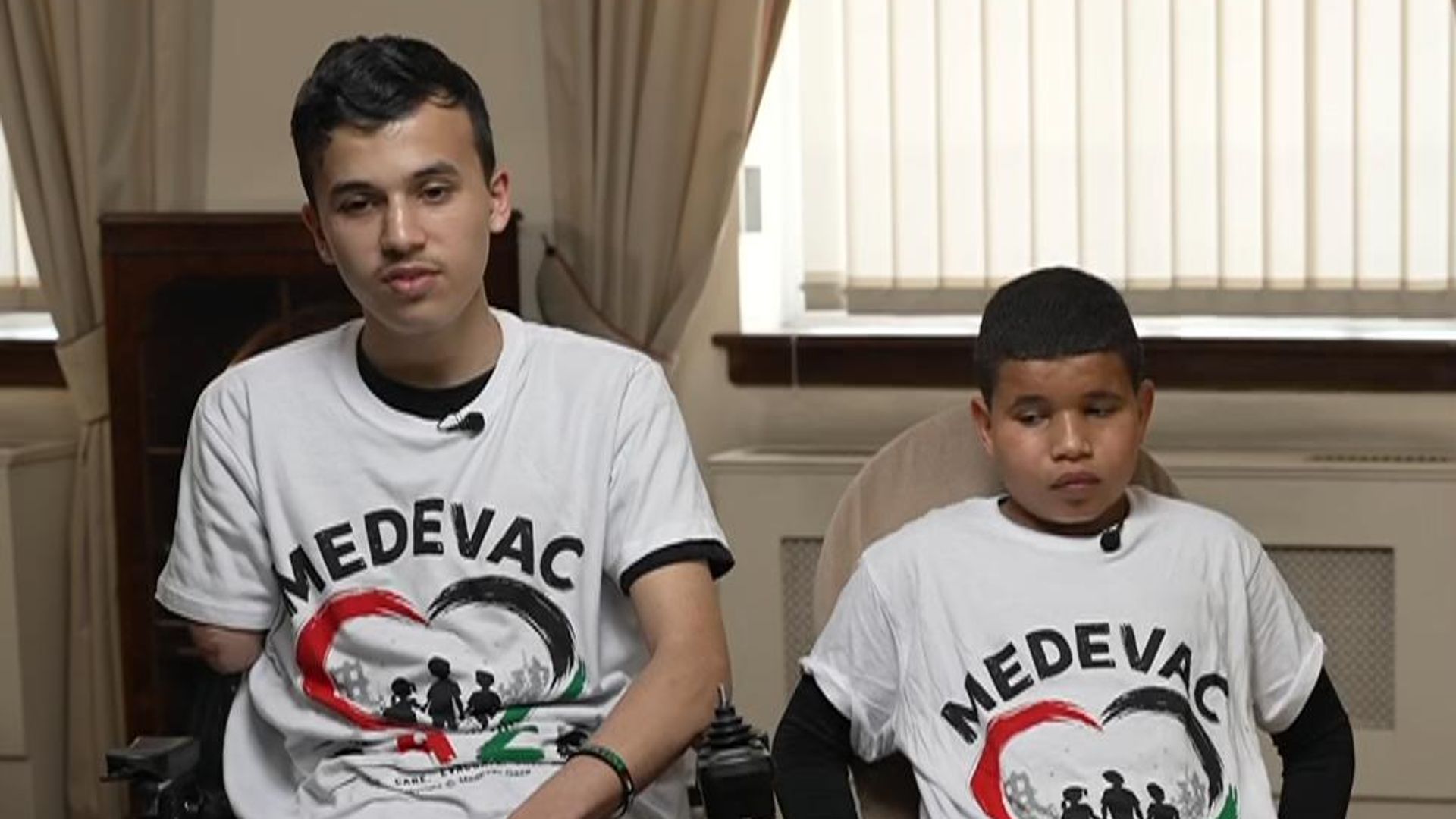
Two Gaza boys treated in the UK claim the prime minister broke promises to reunite them with families and bring more injured children.
Two young boys from Gaza, who received medical treatment in the United Kingdom, have stated that the prime minister has "broken a promise" regarding their reunification with their families. They also allege a broken commitment to bring hundreds of other injured children to the UK for care.
The boys' claims highlight the distress and uncertainty faced by vulnerable individuals seeking refuge and medical attention amidst ongoing conflict. Their experiences underscore the potential human cost of political commitments made during times of crisis.
Speaking about their situation, the boys expressed disappointment, conveying that they had trusted assurances made to them. They had believed these promises would facilitate the arrival of their relatives and other children in need of urgent medical intervention.
These accusations raise questions about the UK government's commitment to its humanitarian pledges and the processes in place for fulfilling them. The situation also brings into focus the broader challenges of international aid and family reunification for those affected by conflict zones.
While the specific context of the promises made remains unclear from the provided material, the boys' statements suggest a perceived failure to act on commitments. This could have significant implications for the UK's international standing and its reputation for providing sanctuary.
Further details regarding the nature of the promises, the timeline for their expected fulfillment, and the specific circumstances of the boys' treatment in the UK are not elaborated upon in the source material. The boys' account implies a significant gap between expectation and reality.
Reactions from the UK government or relevant charities involved in facilitating the boys' treatment have not been detailed. The absence of official comment leaves the accusations unaddressed, creating a vacuum of information regarding the government's perspective or any mitigating factors.
Unresolved questions persist regarding the feasibility of the alleged promises, the reasons for any perceived delays, and the potential pathways forward for the boys and other children in similar situations. The situation underscores the complex ethical and logistical challenges inherent in international humanitarian efforts.
This article was written by AI based on publicly available news reporting. Original reporting by the linked source.