Ghana Hosts Global Framework for Reparatory Justice Adoption
African nations and officials adopted an 18-point global framework for reparatory justice in Accra, Ghana, addressing legacies of enslavement and colonialism.
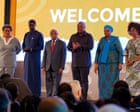
A landmark global framework for reparatory justice was adopted on Friday during a conference in Accra, Ghana. The gathering, attended by heads of state, government officials, and representatives from African countries, marked a significant step in addressing the enduring impacts of historical injustices.
The adopted document outlines an 18-point strategic roadmap designed to ensure fair compensation and redress for communities affected by the legacies of enslavement, colonialism, genocide, and apartheid. This meeting follows the adoption of a United Nations resolution that declared the trafficking of enslaved Africans as the gravest crime against humanity.
Key provisions within the framework include commitments to secure adequate compensation for Africans and people of African descent, facilitate the return of cultural property, human remains, archives, and heritage to their countries of origin, and address sovereign debt burdens. The plan calls for multilateral actions such as debt relief, restructuring, and cancellation to counteract the socioeconomic consequences of historical exploitation.
The adoption of this framework is expected to accelerate global efforts towards achieving reparatory justice. It provides a structured approach for collaboration among state and non-state actors, fostering transparent dialogue on advancing reparations on an international scale.
Participants acknowledged the "extensive efforts undertaken over generations" by various governments, organizations, and civil society partners in shaping the global reparations agenda. The document adopted in Accra serves as a foundation for future global cooperation and engagement on these critical issues.
The framework's emphasis on measures beyond financial compensation, such as the repatriation of cultural artifacts and human remains, underscores a holistic approach to addressing historical wrongs. This aligns with a growing understanding that reparative justice encompasses cultural, social, and economic dimensions.
The conference in Ghana brought together diverse stakeholders to collectively forge a path forward. The commitment to "transparent, constructive and good faith dialogue" signals an intent to engage all parties in a meaningful process of reconciliation and redress.
While the framework provides a strategic roadmap, the implementation details and the specific mechanisms for achieving fair compensation and addressing debt remain areas for continued discussion and action among the international community.
This article was written by AI based on publicly available news reporting. Original reporting by the linked source.