Ghana's Hand-Painted Film Posters: From Video Clubs to Global Art Collectibles
Ghanaian artists transform movie posters into imaginative, collectible art, preserving a unique cultural tradition.
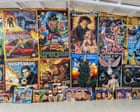
In Teshie, near Accra, Ghana, artists like Jeaurs Affutu, known as Heavy J, continue a vibrant tradition of hand-painting sensationalist film posters. These works, often created on flour sacks using oil paints, are not mere reproductions but imaginative reinterpretations of movie plots, designed to capture audience attention.
This unique art form emerged in Ghana from the late 1970s to the early 2000s. Local artists began creating these distinctive posters to advertise screenings at neighbourhood "video clubs." Recognizing that original movie posters often failed to attract local audiences, organizers commissioned artists to produce eye-catching visuals that sometimes bore little resemblance to the films themselves.
Heavy J explained the artistic philosophy, stating, "We add more to make people interested." His poster for the animated fairytale *The Little Mermaid*, for instance, featured a prince wielding a knife and an unrelated skull, illustrating how plot lines served as mere springboards for creative and often surreal flights of fancy. Artists competed to produce the most compelling "forgery," as they termed their unique interpretations.
The practice began to decline around the turn of the millennium as increased access to electricity and personal televisions led to the closure of many video clubs. Artists then shifted their focus to other forms of commercial art. However, by this time, these distinctive hand-painted posters had garnered international attention, appearing in books and foreign exhibitions, transforming into prized collectibles.
While there was a dip in interest for newly painted posters in the early 21st century, demand has seen a resurgence. This revival is fueled by online marketing platforms and a growing international customer base of film enthusiasts keen to acquire these pieces of cultural history. The art represents a fusion of cinematic storytelling and artistic license.
These posters were often wildly unfaithful to the movies they advertised. Such reinterpretations sometimes led to strong reactions from viewers who felt misled, with incidents involving threats, insults, and even physical altercations reported. The artists, however, viewed their work as a form of creative preservation and adaptation.
The Centre for National Culture in Accra has hosted exhibitions showcasing these hand-painted works, bringing renewed visibility to the artists and their craft. These events highlight the transition of the posters from humble advertising tools to significant cultural artifacts and collectible art pieces.
The enduring appeal of these posters lies in their bold artistic expression, their connection to a specific era of Ghanaian popular culture, and the stories they tell, both of the films they represent and the artists who brought them to life with such vivid imagination.
This article was written by AI based on publicly available news reporting. Original reporting by the linked source.