Ghana Parliament Approves Sweeping Law Criminalizing LGBTQ+ Identity and Activities
Ghana's parliament passed a bill criminalizing LGBTQ+ identity and activities, sparking fear of job loss, eviction, and imprisonment.
Ghana’s LGBTQ+ community is facing widespread fear and panic following the passage of a sweeping bill by the country’s parliament that criminalizes identifying as lesbian, gay, bisexual, transgender, or queer, as well as the promotion of LGBTQ+ activities. The legislation, approved on Friday, introduces prison sentences ranging from three to 10 years and is awaiting ratification by President John Dramani Mahama.
This new law significantly expands on existing prohibitions, which under a rarely enforced British colonial-era statute already banned same-sex relations. The expanded scope of the legislation means that not only LGBTQ+ individuals but also their allies, including those who offer services, support, or advocacy, could face criminal liability.
Community organizations report that LGBTQ+ individuals are deeply concerned about potential repercussions, including the loss of their homes, jobs, and access to essential healthcare services. Many have begun reviewing and deleting content from their online profiles to avoid identification and potential prosecution. Leila Lariba, director of One Love Sisters Ghana, an organization supporting lesbian and bisexual women, stated that "people are panicking and scared." She added that the bill could lead to evictions and job losses, emphasizing that "you do not know who’s ready to talk."
In response to the heightened risk, organizations are advising members to prioritize their safety both online and offline. "We have advised people to prioritise their safety online and offline," Lariba said. "If they have content on their social media pages that could put them at risk, we are encouraging them to remove it. People need to be cautious about what they post because they don’t know how this law could be used against them."
The "human sexual rights and family values bill," as it is known, imposes prison terms of up to three years for individuals who identify as LGBTQ+. More severe penalties, up to 10 years in prison, are stipulated for those found guilty of promoting LGBTQ+ activities or engaging in what the law defines as "unnatural sexual intercourse."
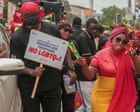
The passage of the bill follows a period of increasing anti-LGBTQ+ sentiment in Ghana, with activists protesting in Accra earlier this year. International human rights organizations have previously expressed strong opposition to similar legislation, citing concerns about discrimination and human rights violations.
Advocates for LGBTQ+ rights warn that the law could exacerbate existing societal discrimination and marginalization, making it even more dangerous for individuals to live openly and access support. The potential for widespread criminalization is expected to drive many further into hiding, impacting their ability to seek help and maintain their well-being.
As the bill awaits final presidential assent, the LGBTQ+ community and their allies remain in a state of heightened anxiety, uncertain about the full extent of the law's enforcement and its long-term impact on their lives and the broader human rights landscape in Ghana.
This article was written by AI based on publicly available news reporting. Original reporting by the linked source.