Global Oil Prices Surge Past $100 Amid Iran Conflict and Houthi Attacks
Global oil prices exceeded $100 a barrel as Houthi attacks on Saudi tankers and escalating Iran-U.S. conflict threatened oil supply routes.
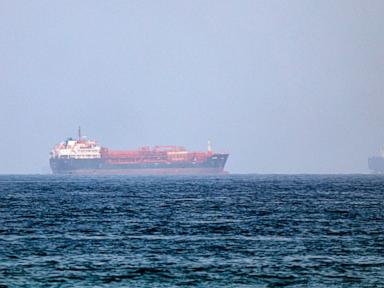
Global oil prices surged past the $100 a barrel mark on Thursday for the first time since May, driven by attacks claimed by Houthi militants on two Saudi tankers in the Red Sea and ongoing strikes between the United States and Iran. The developments threaten to exacerbate an already significant oil shock.
Brent crude futures, the international benchmark, briefly surpassed $100 a barrel before settling slightly lower at $99.70. This represents a substantial 28% increase over the past month, pushing crude prices to their highest point in over two months. The surge in energy costs led to a downturn in major stock indexes, with the Dow Jones Industrial Average, S&P 500, and Nasdaq all experiencing declines on Thursday.
The recent spike in oil prices marks a significant reversal from earlier in the year. Last month, oil prices had briefly dipped to their lowest levels since before the late February outbreak of the Iran war, following news of a preliminary agreement to end the conflict. However, the resumption of significant fighting between the U.S. and Iran has jeopardized this progress.
The escalating conflict has had a direct impact on critical shipping lanes. Maritime traffic in the Strait of Hormuz, which is vital for transporting approximately one-fifth of global oil supply, has sharply declined in recent weeks. The U.S. reinstated its naval blockade of the Strait last week, reversing a key provision of the prior agreement, after Iran had targeted oil tankers within the waterway.
Saudi Arabia, which relies on an alternative route via a trans-country pipeline to the Red Sea for its crude oil exports, also faces new risks. The reported Houthi attack on Wednesday on tankers in the Red Sea could disrupt freight traffic along this crucial waterway, further tightening global oil supplies.
The average price for a gallon of gasoline in the U.S. has climbed to $4.09, according to AAA, having crossed the $4 mark earlier this week. This increase in gasoline prices is directly linked to the rising cost of crude oil, which constitutes a large portion of the retail fuel price.
Experts suggest that the continued instability in the Middle East and the potential for further disruptions to oil production and transport routes could keep prices elevated. The complex interplay between geopolitical tensions, military actions, and energy market dynamics presents ongoing challenges for global economic stability.
Unresolved questions remain regarding the potential for further escalation between the U.S. and Iran, the effectiveness of naval blockades and security measures in key shipping lanes, and the ultimate impact on global energy markets and consumer prices.
This article was written by AI based on publicly available news reporting. Original reporting by the linked source.