Grand Canyon Pipeline Damaged Again by Flooding, Water Restrictions Remain
Grand Canyon National Park faces renewed water restrictions after recent flooding damaged a critical water pipeline for the second time.
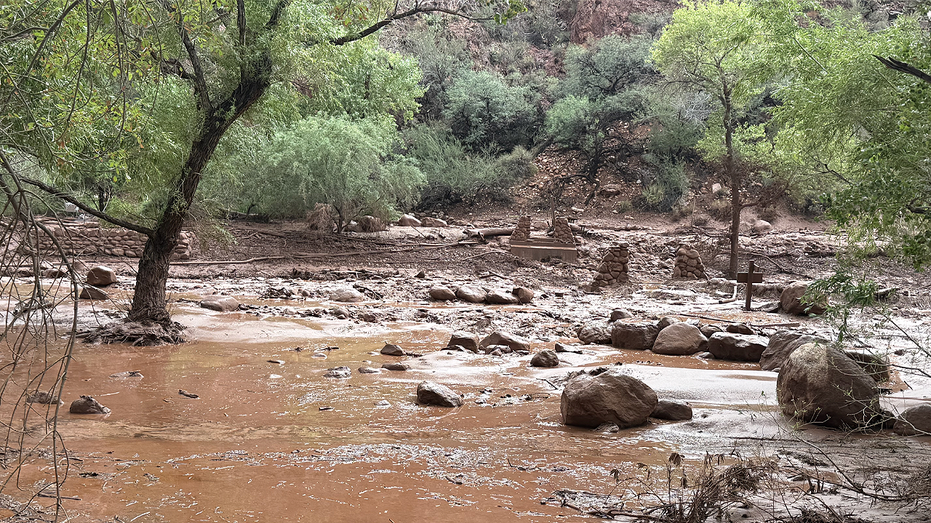
Grand Canyon National Park has reimposed water restrictions following significant damage to its main water pipeline, caused by recent flooding. This marks the second time in a short period that the essential infrastructure has been compromised, exacerbating an already precarious water supply situation for the park.
The flooding, attributed to intense monsoon rains, overwhelmed drainage systems and directly impacted the pipeline that supplies water to the South Rim, the most visited area of the park. This vital line carries water from the Colorado River, making its continued operation crucial for visitor services, park operations, and the well-being of its residents.
Park officials announced the immediate implementation of water conservation measures, urging visitors and staff to minimize water usage. These restrictions include limiting shower use, refraining from washing vehicles, and reducing flushing of toilets where possible. The park is currently assessing the full extent of the damage and developing a plan for repairs, though the ongoing weather patterns present a challenge.
The repeated damage to the pipeline highlights the vulnerability of critical infrastructure in the park to extreme weather events. This situation raises concerns about the long-term sustainability of water resources in the face of a changing climate and the increasing pressures of tourism on natural resources.
Last month, a similar flooding incident caused a different section of the water delivery system to fail, leading to temporary water outages and conservation mandates. That event underscored the aging nature of some of the park's infrastructure and its susceptibility to environmental factors.
Officials are working to establish temporary water solutions, such as trucking in water, while repairs are underway. However, these measures are costly and can be logistically challenging, especially given the remote location of the Grand Canyon.
The Grand Canyon National Park hosts millions of visitors annually, and a reliable water supply is fundamental to supporting this influx. The current situation poses a significant challenge to park management, potentially impacting visitor experience and the ability to maintain essential services.
Further updates on the repair timeline and the status of water restrictions will be provided by park authorities as more information becomes available. The incident serves as a stark reminder of the delicate balance between preserving natural wonders and managing the logistical demands of large-scale public access.
This article was written by AI based on publicly available news reporting. Original reporting by the linked source.