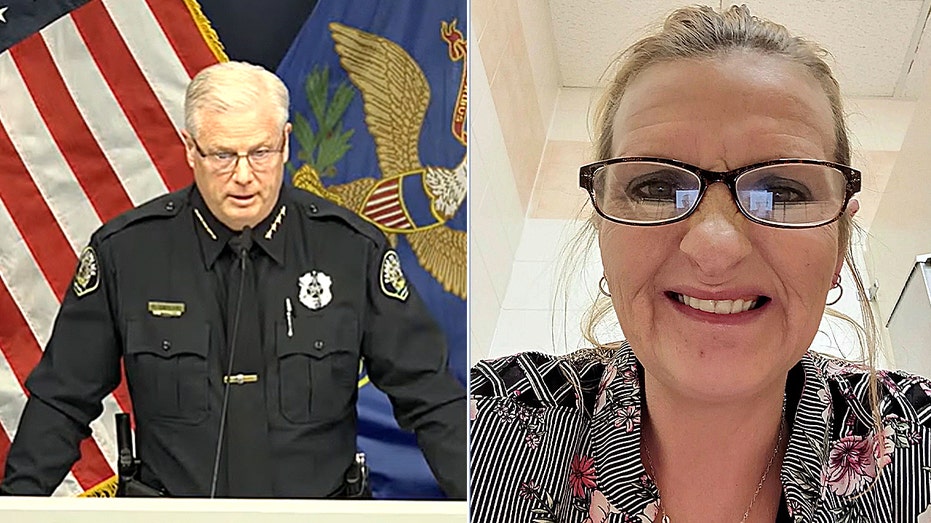
Grandmother Sues Fargo Over Alleged AI Facial Recognition Error Leading to Jail Time
A Tennessee grandmother is suing the city of Fargo, North Dakota, alleging an AI facial recognition error led to her wrongful arrest and months in jail.
A Tennessee grandmother has filed a lawsuit against the city of Fargo, North Dakota, claiming a faulty artificial intelligence facial recognition system led to her wrongful arrest and imprisonment for several months. The suit alleges that law enforcement relied on an erroneous match from the technology, resulting in her being jailed for a crime she did not commit.
The core of the legal action centers on the alleged inaccuracies of facial recognition technology used by the Fargo Police Department. This case brings renewed attention to the potential for bias and error in AI systems deployed by law enforcement, raising significant concerns among civil liberties advocates and technology experts about the technology's reliability and its impact on individual rights.
According to the lawsuit, the woman, identified as a grandmother from Tennessee, was arrested and held in custody for an extended period due to a misidentification by the facial recognition software. Details of the specific crime she was accused of and the evidence presented against her were not fully disclosed in the initial reports, but the suit asserts the AI match was the primary basis for her detention. The legal filing seeks damages for the alleged violation of her civil rights and the hardship she endured.
This lawsuit highlights a growing debate about the ethical implications and accuracy of facial recognition technology. As more law enforcement agencies adopt these tools, questions about accountability, transparency, and the potential for systemic errors are becoming increasingly urgent. Experts warn that without stringent oversight and validation, these technologies could perpetuate or even exacerbate existing inequalities and lead to unjust outcomes.
While the full scope of the alleged error and the specific AI system used by Fargo police remain under scrutiny, this case echoes similar incidents reported in other jurisdictions where facial recognition technology has been implicated in wrongful arrests. Critics of the technology often point to studies indicating that these systems can exhibit racial and gender biases, performing less accurately on individuals from certain demographic groups. This can lead to disproportionate rates of misidentification among minority populations.
Civil rights organizations have long expressed concerns that the widespread use of facial recognition by police could lead to a surveillance state, chilling free speech and assembly. They advocate for stricter regulations, including moratoriums on its use in certain contexts, and demand greater transparency regarding how these technologies are deployed, tested, and overseen.
The Fargo Police Department has not yet issued a detailed public response to the lawsuit beyond acknowledging its existence. However, the case is expected to delve into the department's protocols for using and verifying AI-generated leads, as well as the vendor responsible for the facial recognition software. The outcome could have significant implications for how such technologies are regulated and implemented across the country.
This legal challenge underscores the critical need for robust safeguards when employing AI in the justice system. The potential for a single algorithmic error to lead to months of wrongful imprisonment raises profound questions about due process, the presumption of innocence, and the future role of artificial intelligence in criminal investigations. Unresolved questions remain about the specific technical failures and the extent of the damage caused to the plaintiff.
This article was written by AI based on publicly available news reporting. Original reporting by the linked source.