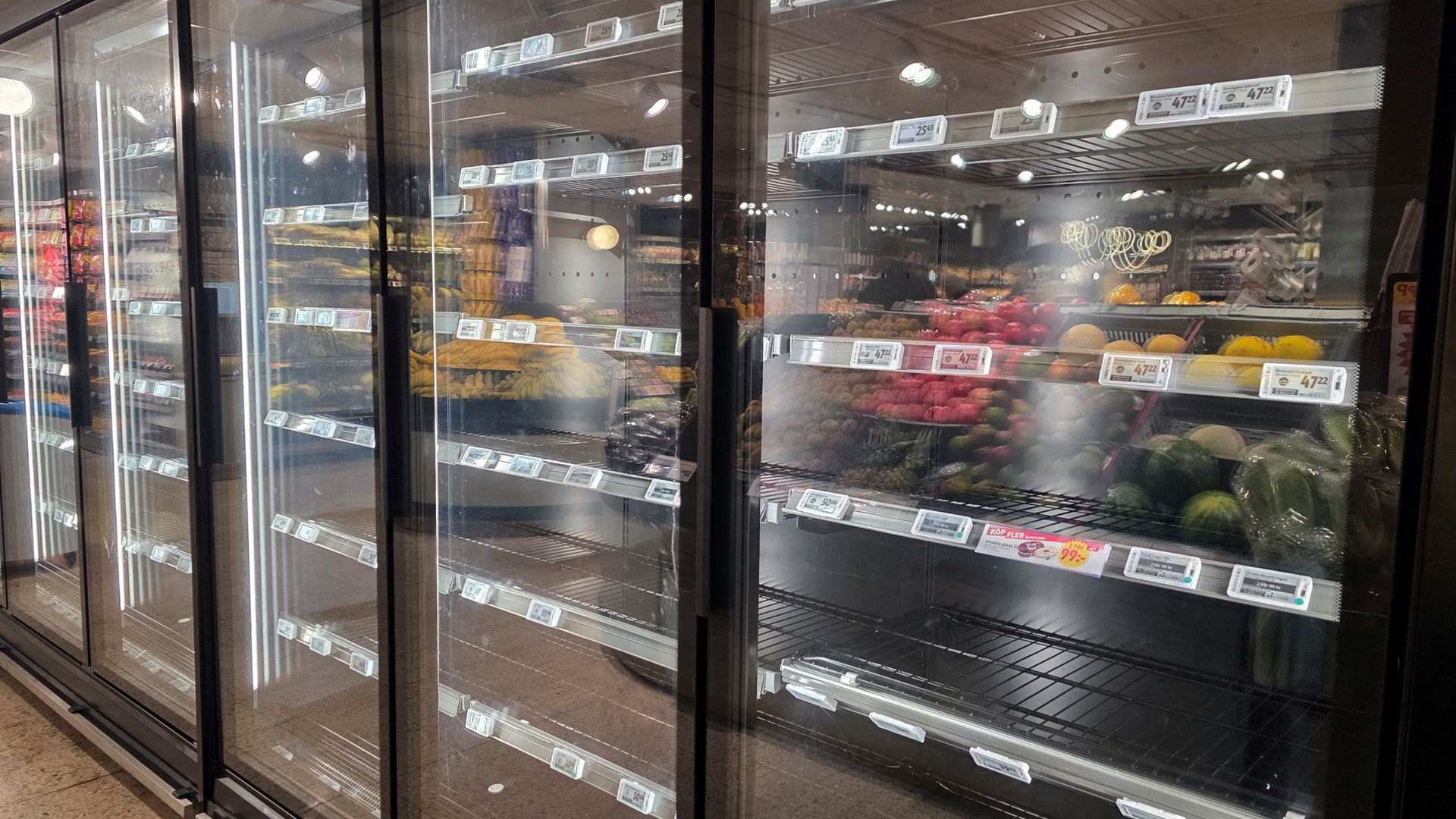
Hackers Target Supermarket Refrigerators Across Europe, Destroying Food
Cyberattacks on supermarket fridges in Europe are causing food spoilage as temperatures rise, leading to widespread destruction.
Supermarket refrigeration units in multiple European countries, including Ireland, have become the target of sophisticated cyberattacks, resulting in significant food spoilage and temperature control failures. Hackers are exploiting vulnerabilities in the connected systems that manage these critical appliances, causing temperatures to rise and a substantial loss of perishable goods.
The attacks highlight a growing trend of cybercriminals targeting critical infrastructure beyond traditional IT systems. Refrigeration units in supermarkets are increasingly reliant on networked technology for monitoring and control, making them susceptible to remote manipulation. This incident raises concerns about the security of the food supply chain and the potential for widespread disruption.
Initial reports indicate that the hackers gained unauthorized access to the refrigeration systems, overriding their programmed temperature settings. This led to a dangerous increase in internal temperatures, compromising the safety and quality of vast quantities of food. Store managers have described the situation as catastrophic, with one expressing that "everything is destroyed."
The immediate implication of these attacks is a significant financial loss for the affected retailers due to spoiled inventory. Beyond the immediate financial impact, the incidents could lead to disruptions in supply chains, increased food prices for consumers, and a re-evaluation of cybersecurity protocols within the retail sector and for connected industrial equipment.
While the full extent of the attacks and the perpetrators' motives remain under investigation, law enforcement agencies and cybersecurity experts are working to understand the methods used and to prevent further incidents. The sophistication of the attacks suggests a well-resourced and organized group, potentially aiming to cause economic damage or disrupt essential services.
This new wave of cyber threats targeting everyday appliances underscores the expanding attack surface for cybercriminals. Previously, such attacks might have focused on financial institutions or government networks, but the increasing interconnectedness of devices, including those in the food retail environment, presents new opportunities for malicious actors.
Experts warn that as more commercial and industrial equipment becomes connected to the internet, the risk of similar attacks escalates. They are urging businesses to invest in robust cybersecurity measures, including regular software updates, network segmentation, and comprehensive monitoring systems, to protect their operational technology from cyber threats.
Authorities are advising affected businesses to review their cybersecurity defenses and to report any suspicious activity. The ongoing investigations aim to identify the individuals or groups responsible and to bolster defenses against future intrusions into critical food supply infrastructure.
This article was written by AI based on publicly available news reporting. Original reporting by the linked source.