Haiti Gang Leader Threatens 50+ Hostages After 47 Killed; US Deports Boxer
A Haitian gang leader has threatened to kill over 50 hostages following the massacre of 47 villagers, as a professional boxer faces deportation by the US.
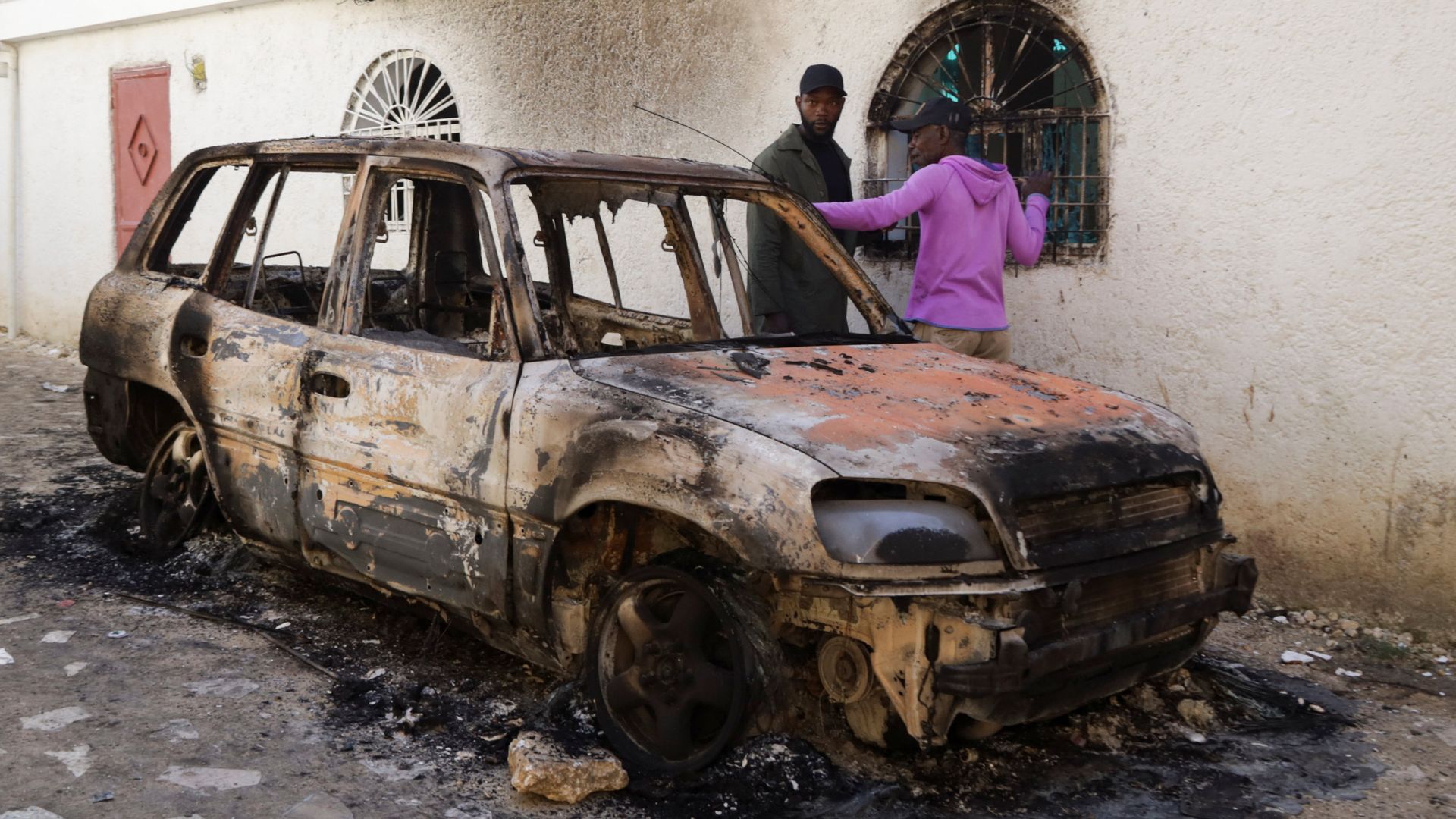
A brutal gang leader in Haiti has escalated a wave of violence by threatening to execute more than 50 hostages, days after a shocking massacre left 47 people dead in a once-peaceful farming community.
The chilling ultimatum comes amid a deepening crisis in Haiti, where powerful gangs have seized control of significant portions of the capital and are increasingly challenging state authority. The recent killings in the community of Gran-Bois, a rural area previously untouched by the escalating gang warfare, signal a terrifying expansion of their reach and brutality.
Details emerging from Gran-Bois paint a grim picture, with reports indicating that the victims were killed in their homes and on the streets. The exact motive behind the attack on the farming community remains unclear, but it follows a pattern of indiscriminate violence aimed at terrorizing the population and consolidating gang control.
This surge in violence occurs as the United States has reportedly deported a professional boxer to Haiti, although the individual's identity and specific circumstances of their deportation have not been publicly detailed. The implications of this deportation within the context of Haiti's current instability are yet to be fully understood, but it adds another layer to the complex challenges facing the Caribbean nation.
International observers have expressed grave concern over the deteriorating security situation, warning of a potential humanitarian catastrophe. The United Nations has previously called for increased international support to bolster Haiti's struggling police force and address the root causes of the gang violence, including poverty and political instability.
Analysts suggest that the gangs' ability to carry out large-scale attacks and hold hostages highlights the severe limitations of the Haitian National Police. The police force has been stretched thin and is often outgunned and outmanned by heavily armed criminal organizations.
The international community faces mounting pressure to provide more effective assistance, but consensus on the best approach remains elusive. Previous international interventions have yielded mixed results, and many are hesitant to commit to large-scale deployments without a clear political strategy and sustained commitment.
Questions linger about the long-term strategy to restore order and security in Haiti, as well as the fate of the threatened hostages and the broader implications of the ongoing violence for the civilian population. The escalating crisis demands urgent attention and a coordinated response to prevent further loss of life and widespread suffering.
This article was written by AI based on publicly available news reporting. Original reporting by the linked source.