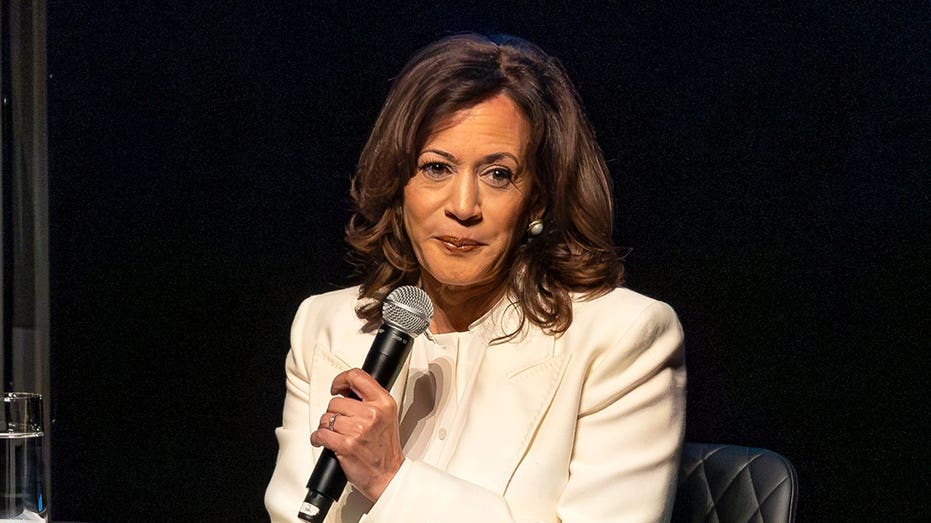
Harris: Trump's Iran Deal a 'War of Choice' Heading for Obama-like Failure
Kamala Harris predicts Donald Trump's Iran negotiations will fail similarly to Obama's, potentially costing Republicans in upcoming elections.
Kamala Harris, a candidate in the 2024 election cycle, has sharply criticized Donald Trump's approach to Iran negotiations, labeling it a "war of choice" and forecasting its likely failure. Speaking at the Vienna climate summit, Harris drew parallels between Trump's current diplomatic efforts and the previous administration's Iran deal, suggesting a similar outcome.
Her remarks indicate a deep skepticism regarding the Trump administration's strategy for engaging with Iran, particularly its withdrawal from the Joint Comprehensive Plan of Action (JCPOA). Harris implied that the current path, rather than leading to a stable resolution, could escalate tensions and prove detrimental to U.S. foreign policy objectives.
The prediction of failure for Trump's Iran strategy comes as midterm elections loom, a point Harris directly linked to the potential political fallout for Republicans. She suggested that the handling of this critical foreign policy issue could become a significant factor for voters when deciding on election outcomes.
Harris's assessment positions the Trump administration's foreign policy decisions on Iran as a potential liability. The "war of choice" framing suggests that the current approach is not a necessary response to immediate threats but rather a deliberate, potentially avoidable path that carries significant risks and costs.
This critique echoes debates surrounding the original Iran nuclear deal negotiated under President Obama. Critics of that deal, including many Republicans, argued it was too lenient and did not adequately address Iran's broader destabilizing activities. Trump's subsequent withdrawal from the JCPOA and subsequent efforts to renegotiate a "better deal" have been met with mixed reactions internationally and domestically.
By predicting an "Obama-like end," Harris implies that Trump's strategy may ultimately prove ineffective in achieving its stated goals, potentially leaving the U.S. in a weaker or more precarious position. This historical comparison suggests a belief that the fundamental challenges in negotiating with Iran remain, and that simply abandoning previous agreements without a viable alternative is unlikely to yield positive results.
The Vienna climate summit provided a global stage for Harris to voice her concerns, highlighting the interconnectedness of international diplomacy and climate action. Her focus on Iran's nuclear program and regional activities underscores the view that such issues have far-reaching implications beyond bilateral relations.
As the situation develops, the effectiveness of Trump's diplomatic strategy with Iran will be closely watched, not only by international powers but also by American voters. Harris's prediction sets a high bar for the administration's success and signals a potential area of focus for future political discourse and electoral campaigns.
This article was written by AI based on publicly available news reporting. Original reporting by the linked source.