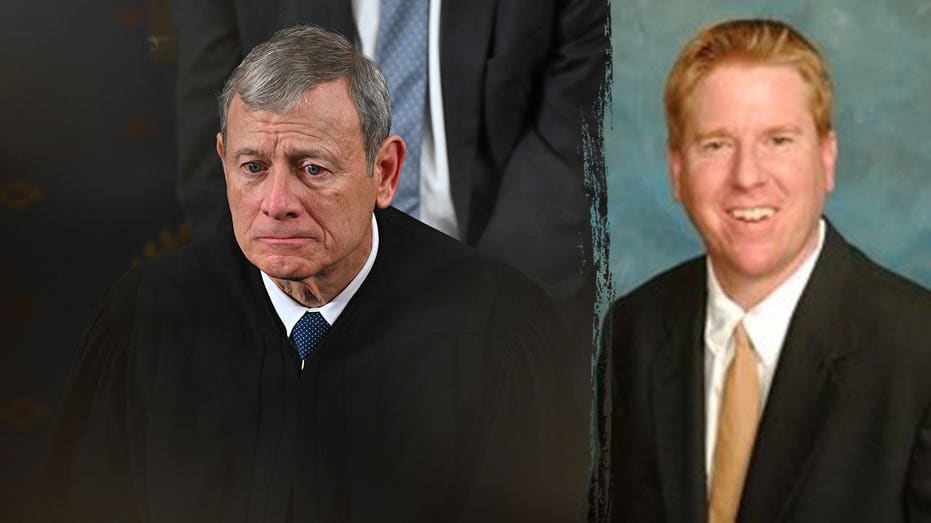
Hawaii Supreme Court Justice Criticizes SCOTUS, Vows to Defy Ruling
A Hawaii Supreme Court justice has publicly criticized the U.S. Supreme Court and stated Hawaii will not comply with its decisions.
A justice on the Hawaii Supreme Court has sharply rebuked the U.S. Supreme Court's conservative majority, asserting that the high court's actions are undermining democracy. The justice, whose name was not disclosed in the source material, indicated that Hawaii intends to disregard rulings from the nation's highest court.
This strong statement comes amid ongoing tensions between state judiciaries and the federal Supreme Court, particularly concerning issues that touch upon fundamental rights and state sovereignty. The justice's remarks suggest a growing willingness among some state jurists to challenge federal authority when they perceive it as infringing upon their state's interests or constitutional principles.
The unnamed justice reportedly stated that the current composition of the U.S. Supreme Court, often referred to as the "Roberts Court" after Chief Justice John Roberts, is actively harming the democratic process. This criticism implies a belief that the Court's decisions are not only legally questionable but also detrimental to the health of the nation's governance system.
Furthermore, the justice conveyed a clear intention for Hawaii to pursue an independent course, even if it means defying the Supreme Court. This stance could set a precedent for other states considering similar acts of defiance, potentially leading to significant legal and political confrontations.
The implications of such a challenge are far-reaching. If a state actively chooses to ignore a Supreme Court ruling, it could lead to a constitutional crisis. Legal experts suggest that such defiance would likely result in federal intervention, possibly through the U.S. Department of Justice, to enforce the Supreme Court's mandate.
Historically, instances of states directly defying the Supreme Court have been rare and typically met with significant resistance. The most prominent example is the Civil Rights era, where Southern states resisted desegregation orders, a struggle that ultimately required federal enforcement.
While the specific ruling or issue prompting this strong reaction from the Hawaii justice was not detailed, the sentiment echoes concerns raised by various legal scholars and politicians about the Supreme Court's perceived overreach and politicization. The justice's critique suggests that the Court's decisions are viewed by some as ideologically driven rather than grounded in sound legal reasoning.
This situation raises critical questions about the balance of power between the federal judiciary and state courts, and the potential for future conflicts as differing interpretations of law and constitutional rights continue to emerge.
This article was written by AI based on publicly available news reporting. Original reporting by the linked source.