Hegseth Calls Impeachment Effort 'Spectacle,' Cites Threat to Troops
Defense Secretary Pete Hegseth denounced impeachment articles as a 'political spectacle' that targets U.S. troops and emboldens adversaries.
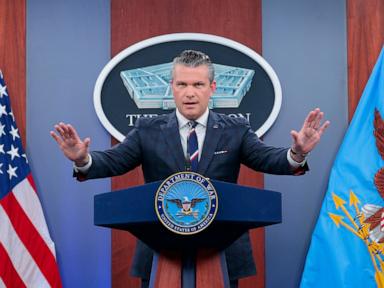
Defense Secretary Pete Hegseth on Tuesday forcefully rejected articles of impeachment introduced against him, labeling the effort a "political spectacle" driven by ego and resentment. Speaking at a Pentagon press conference, Hegseth argued that the impeachment proceedings, initiated by Republican Representative Thomas Massie, place a "target" on the backs of U.S. service members and signal to America's adversaries that Congress will penalize its own military leadership for successful operations.
The impeachment articles were introduced following significant Republican losses in the recent midterm elections, with some within the party attributing the defeats to the war in Iran. Hegseth contended that the military actions cited in the impeachment effort, including strikes on alleged drug-smuggling boats in the Caribbean and the Iran war, were lawful orders executed under President Donald Trump's direction.
Hegseth characterized the impeachment attempt as partisan politics that undermine the Constitution and the chain of command. He asserted that the proceedings "criminalize the warfighters who execute lawful orders." He also highlighted that no Defense Secretary has ever been impeached for carrying out successful, lawful military operations, framing the current effort as a disagreement over policy rather than a matter of "high crimes, misdemeanors, treason, or bribery."
The House is required to take up the impeachment measure within two legislative days, a procedural rule for privileged matters that will force lawmakers to publicly state their position on the impeachment after the party's election setbacks. Representative Massie had previously held a press conference on Capitol Hill to discuss his resolution.
President Trump has voiced support for Hegseth, stating he would "stand by" the Defense Secretary even if impeached. Trump commented that Hegseth had "won the war in Iran" and that the nation's adversaries had been "obliterated."
Hegseth drew parallels between his situation and President Trump's own impeachment proceedings, suggesting a continuity of political attacks. He maintained that the impeachment effort was not genuine oversight or accountability but a "personal manifesto."
The articles of impeachment are expected to be debated on the House floor, potentially creating a stark division among Republicans grappling with their recent electoral performance and the ongoing military engagements abroad.
This situation raises questions about the future of congressional oversight of military actions and the potential for partisan politics to influence national security decisions, particularly in the wake of significant election results.
This article was written by AI based on publicly available news reporting. Original reporting by the linked source.