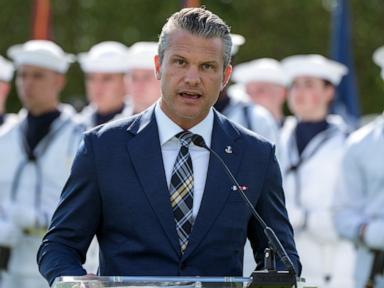
Hegseth Orders 20% Cut to Generals, Admirals, Doubling Last Year's Reduction
Defense Secretary Pete Hegseth will announce a 20% reduction in general and admiral positions, doubling a previous cut.
Defense Secretary Pete Hegseth is poised to announce on Wednesday a significant reduction in the military's senior leadership, aiming to cut 20% of positions reserved for generals and admirals. This move doubles a reduction he initiated last year and is part of a broader strategy to shrink the military's senior ranks.
The announcement is expected during Hegseth's State of the Force address at Marine Corps Base Quantico in Virginia. This speech will lay out his priorities for the military in the upcoming year. The previous year's directive targeted a 10% overall reduction in these high-ranking positions.
Last year's address at Quantico also saw Hegseth confront the military's top brass, criticizing what he described as declining standards. He famously declared "no more beardos and no more fat generals" and railed against "woke" culture, including identity months and diversity, equity, and inclusion offices. The Pentagon mandated that all troops watch a video of that speech.
This year, commanders were instructed to nominate mostly junior and mid-ranking troops to attend the address, with nominees expected to be high-performing service members recognized for achievements or competition wins. Compliance with military fitness and body fat standards is a standard requirement for such nominations.
The exact mechanisms for implementing the new 20% cuts remain unclear, as does the potential impact on military operations, particularly amid ongoing tensions with Iran. The military services have already begun reducing senior officer numbers through consolidation of commands and organizations, allowing single officers to oversee roles previously held by two.
These cuts may also involve downgrading some commands or shutting down specific military entities rather than outright elimination. The services have been directed to implement these reductions to the most senior ranks, potentially affecting dozens of positions by January. Currently, there are 841 active-duty flag officers.
The decision follows a pattern of senior officer purges under Hegseth, who has removed or sidelined several high-ranking officers without public explanation. Notable figures affected include Gen. Randy George, formerly the Army's top officer, and Gen. CQ Brown.
Questions linger about how these substantial cuts will be absorbed and whether they will streamline the military's structure or inadvertently create operational challenges. The focus on reducing the number of generals and admirals signals a significant shift in the Pentagon's approach to its leadership hierarchy.
This article was written by AI based on publicly available news reporting. Original reporting by the linked source.