Hegseth Warns of 'Invasion of Dangerous Ideologies' Arriving by Sea in Europe
Pete Hegseth warns Europe faces an 'invasion of dangerous ideologies' arriving by sea, drawing parallels to D-Day.
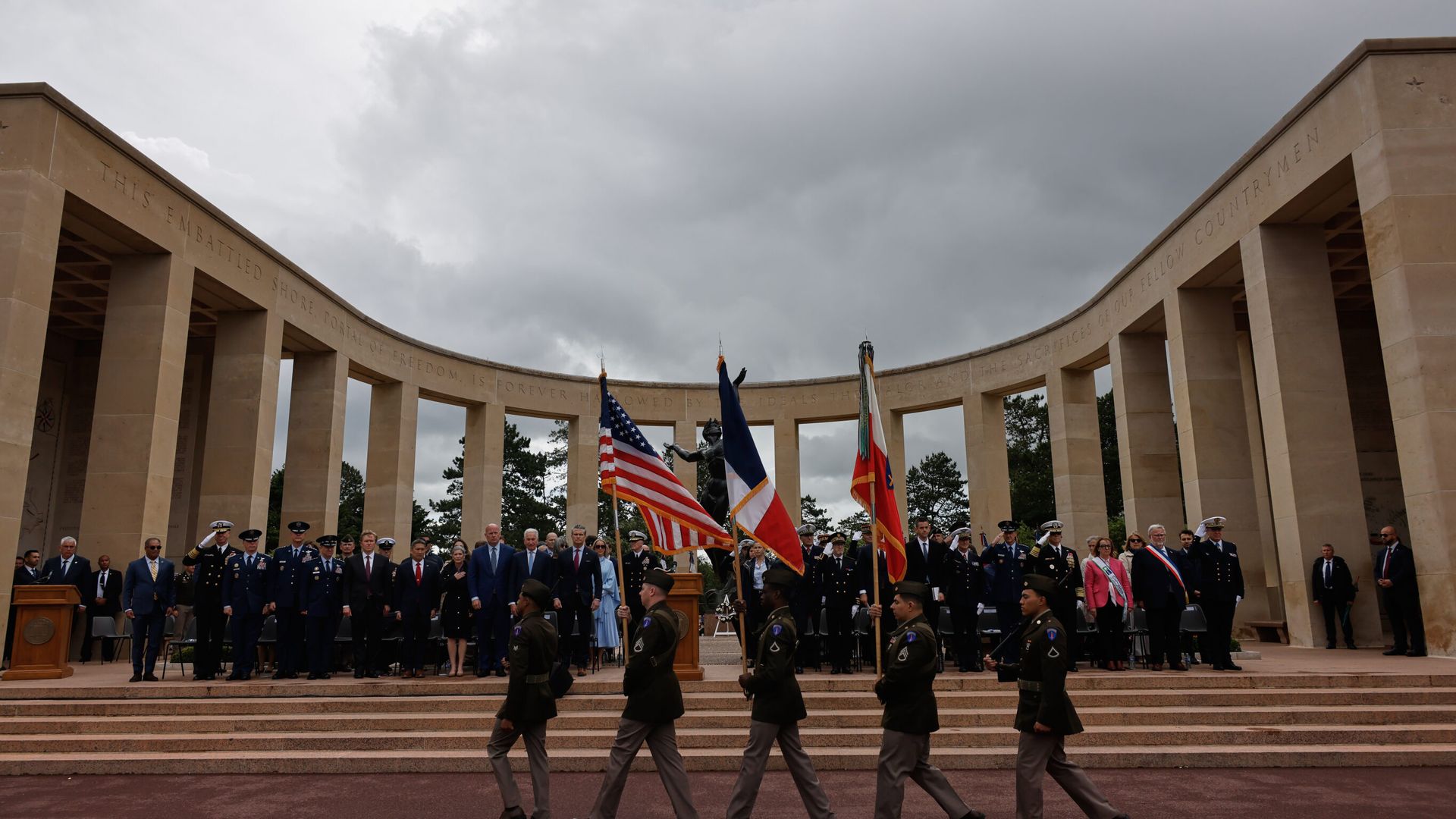
Former Pentagon official Pete Hegseth has issued a stark warning, asserting that European beaches are currently being "stormed by dangerous ideologies." Hegseth drew a provocative parallel between contemporary immigration flows and the historical D-Day landings in Normandy, suggesting a significant ideological shift is underway.
This assertion links current migration patterns to a perceived threat to European values and stability. Hegseth's remarks frame immigration not merely as a demographic or humanitarian issue, but as an ideological challenge to the continent's established order. The comparison to D-Day, a pivotal moment in World War II aimed at liberating Europe, imbues his warning with a sense of existential urgency.
Hegseth elaborated on his concerns, implying that the influx of people brings with it ideologies that are antithetical to Western principles. While specific ideologies were not detailed, the context suggests a critique of political or social systems he deems incompatible with European norms. His pronouncements aim to galvanize a response to what he perceives as a cultural and ideological encroachment.
The implications of Hegseth's statement are significant, potentially influencing political discourse and policy debates surrounding immigration and national identity in Europe. His framing could be adopted by groups advocating for stricter border controls and a more nationalistic approach to sovereignty, potentially fueling anti-immigration sentiment.
Hegseth, who previously served in the Trump administration, has a history of making strong statements on national security and cultural issues. His background lends a degree of authority to his pronouncements, though his views often align with conservative and nationalist viewpoints.
The comparison to D-Day is particularly striking, given the historical context of the Allied invasion to combat Nazism. By invoking this event, Hegseth appears to be positioning current immigration as a threat of a similarly grave nature, albeit ideological rather than military.
Reactions to Hegseth's remarks are likely to be divided. Supporters may see his warnings as a necessary wake-up call, echoing concerns about border security and cultural assimilation. Critics, however, are expected to denounce the rhetoric as alarmist and divisive, potentially mischaracterizing the complex motivations and circumstances of migrants.
Further analysis will be needed to understand the specific ideologies Hegseth refers to and the evidence supporting his claims of an "invasion." The broader impact will depend on how widely his message is disseminated and whether it translates into concrete policy proposals or shifts in public opinion across Europe.
This article was written by AI based on publicly available news reporting. Original reporting by the linked source.