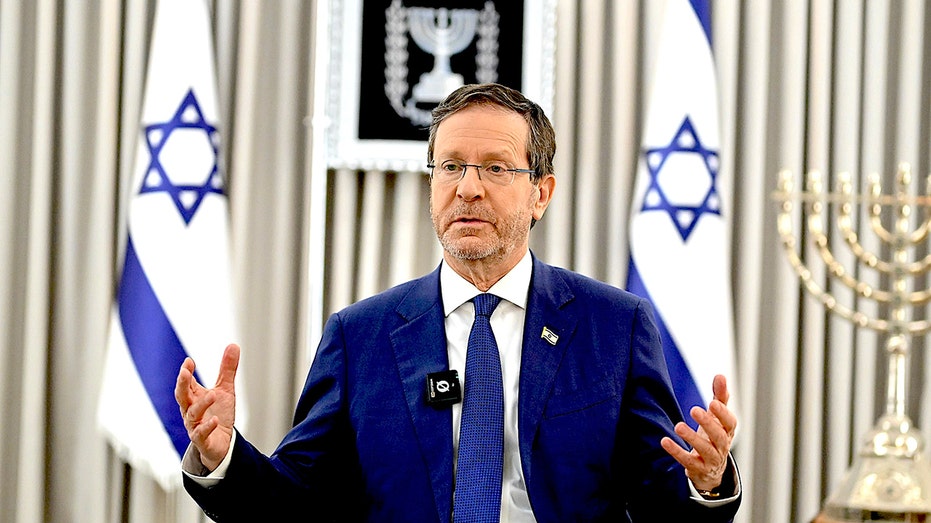
Herzog: Antisemitism a 'contamination,' urges global action against hate
Israeli President Herzog decries antisemitism as a societal 'contamination' and calls for unified global efforts to combat rising hate.
Israeli President Isaac Herzog has issued a stark warning about the escalating threat of antisemitism, describing it as a dangerous "contamination of societies" that requires a unified global response. Speaking amidst a surge in reported hate crimes and incidents targeting Jewish communities worldwide, Herzog emphasized the urgent need for international cooperation to combat this pervasive form of prejudice.
His remarks come at a time when many countries are witnessing a significant uptick in antisemitic incidents, ranging from verbal harassment and vandalism to more violent attacks. These events have fueled anxiety and concern within Jewish communities, prompting calls for stronger protective measures and more robust educational initiatives to counter historical and contemporary forms of Jew-hatred.
The Israeli President highlighted that antisemitism is not merely an issue affecting one community or nation, but a broader threat that undermines the fabric of diverse societies. He stressed that the spread of hateful ideologies, often amplified through digital platforms, poses a risk to democratic values and social cohesion globally. Herzog's call for action implicitly targets the need for governments, international organizations, and civil society to work collaboratively.
While the specific rhetoric of individuals like Mamdani was mentioned in relation to controversial statements, the broader focus of Herzog's address was on the systemic nature of antisemitism. He suggested that addressing this issue requires a multi-faceted approach, including strict law enforcement against hate crimes, educational programs that promote tolerance and understanding, and a commitment to challenging hateful narratives wherever they appear.
The surge in antisemitic incidents has been documented by various organizations, with reports indicating a sharp rise in recent years. These incidents often coincide with geopolitical tensions and social unrest, demonstrating how antisemitism can be exploited or exacerbated during times of crisis. Experts suggest that the normalization of hateful discourse online has contributed to a climate where such sentiments can flourish more openly.
President Herzog's appeal for global solidarity underscores the interconnectedness of security and tolerance in the modern world. He indicated that the fight against antisemitism is intrinsically linked to the broader struggle against all forms of discrimination and extremism, advocating for a shared responsibility to create a safer and more inclusive future for all.
Moving forward, the international community faces the challenge of translating these calls to action into concrete policies and sustained efforts. The effectiveness of such measures will likely depend on the willingness of nations to share intelligence, coordinate preventative strategies, and hold accountable those who promote or perpetrate hate speech and violence. The ongoing nature of these threats necessitates continuous vigilance and adaptation.
Unresolved questions remain regarding the specific mechanisms for effective global cooperation and the long-term strategies required to eradicate deeply ingrained prejudices. The challenge lies not only in responding to immediate incidents but also in fostering a culture of respect and understanding that can serve as a bulwark against the resurgence of hatred.
This article was written by AI based on publicly available news reporting. Original reporting by the linked source.